Introduction to the Infamous Artist

The story of the famous artist who cut off his ear is a tale that has been etched in the annals of art history for centuries. This infamous incident has become synonymous with the artist's name, and it continues to fascinate art lovers to this day. The artist in question is none other than Vincent van Gogh, a post-impressionist painter who is widely regarded as one of the greatest artists of all time. In this article, we will delve into the life and times of Van Gogh, explore the circumstances surrounding the ear-cutting incident, and examine the impact it had on his life and art.
Van Gogh's Early Life and Career

Vincent van Gogh was born on March 30, 1853, in Groot-Zundert, a small village in the southern Netherlands. He was the eldest son of Theodorus van Gogh, a Protestant pastor, and Anna Cornelia Carbentus. Van Gogh's early life was marked by a close relationship with his younger brother, Theo, who would later become his confidant and supporter. Van Gogh's interest in art began at a young age, and he was largely self-taught, having received little formal training. He worked as an art dealer for several years before deciding to pursue a career in ministry, but he eventually turned to art full-time.
Van Gogh's Mental Health Struggles

Van Gogh's life was marked by struggles with mental health, including depression, anxiety, and episodes of psychosis. He suffered from what was then known as "melancholia," a condition characterized by intense feelings of sadness and despair. Van Gogh's mental health struggles were exacerbated by his struggles with poverty, isolation, and lack of recognition for his art. Despite these challenges, Van Gogh continued to paint, producing some of the most iconic works of art in history.
The Ear-Cutting Incident
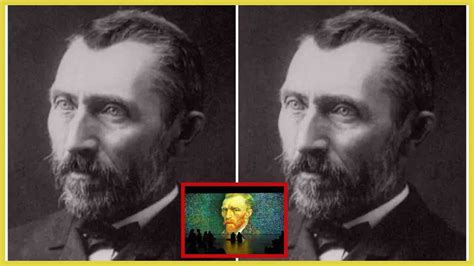
The incident in which Van Gogh cut off his ear occurred on December 23, 1888, while he was living in Arles, a small town in southern France. Van Gogh had moved to Arles in search of a warmer climate and a more relaxed pace of life, but he soon became embroiled in a series of disputes with his neighbor, Paul Gauguin, a fellow artist. The two men had a heated argument, and Van Gogh, in a fit of rage, cut off part of his left ear with a razor. The exact circumstances surrounding the incident are still disputed, but it is believed that Van Gogh's mental health struggles played a significant role.
Aftermath of the Incident

The ear-cutting incident had a profound impact on Van Gogh's life and art. He was hospitalized for several weeks and underwent treatment for his mental health struggles. The incident also marked a turning point in Van Gogh's relationship with Gauguin, who left Arles shortly after the incident. Van Gogh's mental health struggles continued to plague him, and he eventually checked himself into an asylum in Provence, where he spent several months undergoing treatment.
Artistic Style and Legacy

Despite the challenges he faced, Van Gogh continued to paint, producing some of the most iconic works of art in history. His artistic style is characterized by bold, vibrant colors and thick, heavy brushstrokes. Van Gogh's paintings often featured everyday scenes and objects, but they were infused with a sense of emotion and energy that set them apart from other works of art. Some of his most famous works include
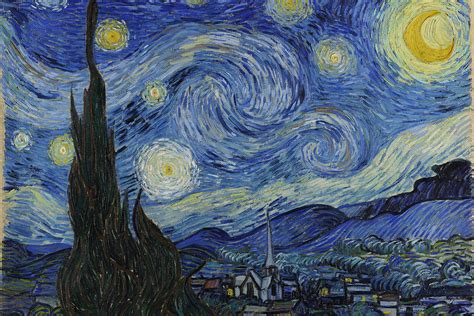
Starry Night,
Sunflowers, and
Self-Portrait with Bandaged Ear.
Influence on Modern Art

Van Gogh's influence on modern art cannot be overstated. He was a pioneer of the post-impressionist movement, which sought to break away from traditional techniques and explore new ways of expressing emotion and experience. Van Gogh's bold, expressive style has inspired countless artists, including Pablo Picasso, Salvador Dali, and Claude Monet. His use of color and brushwork has also influenced the development of modern art movements, such as Fauvism and Expressionism.
Post-Impressionist Movement
The post-impressionist movement, which Van Gogh helped to pioneer, was characterized by a focus on emotion and experience. Post-impressionist artists sought to break away from traditional techniques and explore new ways of expressing themselves. The movement was marked by a sense of experimentation and innovation, and it paved the way for a wide range of modern art movements.
Van Gogh's Most Famous Works

Van Gogh's most famous works include:
- Starry Night (1889) - a swirling, dreamlike depiction of the night sky
- Sunflowers (1888) - a series of paintings featuring bright, bold sunflowers
- Self-Portrait with Bandaged Ear (1889) - a portrait of the artist with his ear bandaged after the infamous incident
- The Bedroom (1888) - a depiction of Van Gogh's bedroom in Arles, featuring bold, vibrant colors
- Wheat Field with Cypresses (1889) - a depiction of a wheat field with cypress trees, featuring bold, expressive brushstrokes
Conclusion and Legacy

Vincent van Gogh's life and art continue to fascinate audiences around the world. His bold, expressive style has inspired countless artists, and his legacy can be seen in a wide range of modern art movements. Despite the challenges he faced, Van Gogh continued to paint, producing some of the most iconic works of art in history. His story is a testament to the power of art to express emotion and experience, and it continues to inspire artists and art lovers to this day.
FAQs

- Q: What was the name of the artist who cut off his ear?
A: Vincent van Gogh
- Q: Why did Van Gogh cut off his ear?
A: The exact circumstances surrounding the incident are still disputed, but it is believed that Van Gogh's mental health struggles played a significant role.
- Q: What was Van Gogh's artistic style?
A: Van Gogh's artistic style is characterized by bold, vibrant colors and thick, heavy brushstrokes.
- Q: What are some of Van Gogh's most famous works?
A: Some of Van Gogh's most famous works include Starry Night, Sunflowers, and Self-Portrait with Bandaged Ear.
Call to Action

If you're interested in learning more about Van Gogh and his art, we encourage you to explore his works and read about his life and legacy. You can also visit museums and galleries that feature his paintings, such as the Van Gogh Museum in Amsterdam or the Musée d'Orsay in Paris. By exploring Van Gogh's art and legacy, you can gain a deeper understanding of the power of art to express emotion and experience, and you can be inspired to create your own works of art.