Introduction to the Concept

The concept of "the Negro artist and the racial mountain" is rooted in the idea that African American artists face a unique set of challenges in their pursuit of creative expression. This concept was first introduced by Langston Hughes in his 1926 essay "The Negro Artist and the Racial Mountain," where he argued that black artists are often forced to navigate a complex web of racial expectations and stereotypes in order to succeed. In this blog post, we will delve into the history and significance of this concept, exploring its implications for African American artists and the broader cultural landscape.
Historical Context
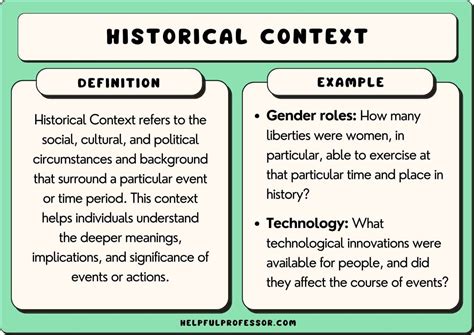
To understand the concept of the Negro artist and the racial mountain, it is essential to consider the historical context in which it emerged. During the Harlem Renaissance of the 1920s and 1930s, African American artists were experiencing a surge in creative productivity, with writers like Langston Hughes, Zora Neale Hurston, and Countee Cullen gaining prominence. However, this period of artistic flourishing was also marked by intense racism and segregation, with many black artists facing significant barriers to success.
The Racial Mountain as a Metaphor

Hughes' concept of the racial mountain is a powerful metaphor for the obstacles faced by African American artists. The mountain represents the oppressive forces of racism and the expectations placed on black artists to conform to certain stereotypes or norms. For example, many white patrons and critics expected black artists to produce work that was "authentically" African American, but also palatable to a white audience. This created a difficult dilemma for black artists, who had to navigate the tension between artistic expression and commercial viability.
Internalized Racism and the Racial Mountain

Another significant aspect of the racial mountain is the way it reflects internalized racism within the African American community. Hughes argued that many black artists had internalized the racist attitudes of the dominant culture, leading them to doubt their own abilities and question the value of their artistic expression. This internalized racism can be seen as a self-imposed limitation, where black artists may feel pressured to conform to certain standards or expectations in order to gain acceptance.
Breaking Free from the Racial Mountain

So, how can African American artists break free from the constraints of the racial mountain? One approach is to reject the notion that black art must be defined by its relationship to whiteness. Instead, black artists can focus on creating work that is authentic, innovative, and unapologetically black. This requires a willingness to take risks, challenge dominant narratives, and push against the boundaries of what is considered "acceptable" in the art world.
The Role of Identity in Artistic Expression

Identity plays a complex and multifaceted role in the concept of the Negro artist and the racial mountain. For African American artists, identity is often a double-edged sword, providing a rich source of inspiration and creativity, but also creating tension and conflict. On the one hand, black artists may feel a strong connection to their cultural heritage and a desire to express themselves in a way that is authentic and meaningful. On the other hand, they may also face pressure to conform to certain expectations or stereotypes, which can stifle their creativity and limit their opportunities.
Navigating Multiple Identities
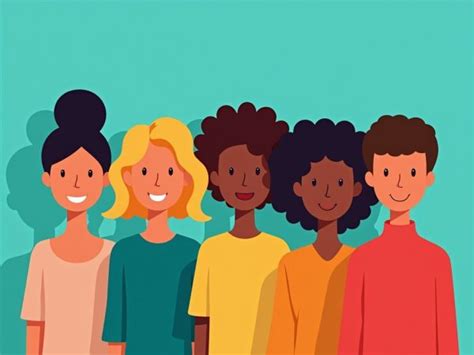
Many African American artists navigate multiple identities, including racial, cultural, and social identities. This can create a sense of dislocation or fragmentation, as artists struggle to reconcile their different selves. For example, a black artist may identify as both African American and American, but feel that these identities are in conflict with each other. Alternatively, they may identify as queer or feminist, and feel that these aspects of their identity are marginalized or excluded from the dominant cultural narrative.
Embracing Intersectionality
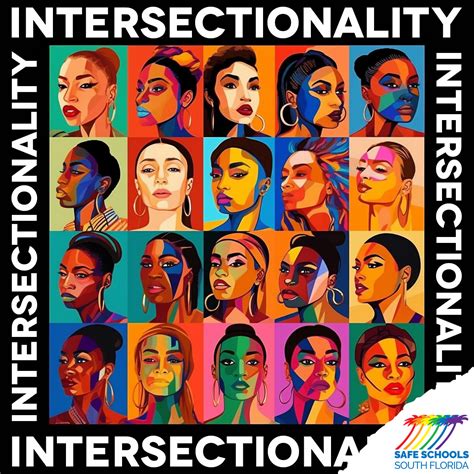
One way to navigate the complexities of identity is to embrace intersectionality, which recognizes that individuals have multiple, overlapping identities that intersect and interact in complex ways. By acknowledging and celebrating these intersections, African American artists can create work that is more nuanced, multifaceted, and inclusive. For example, a black artist who is also queer may create work that explores the intersections of racism and homophobia, highlighting the ways in which these forms of oppression intersect and compound.
Challenging Dominant Narratives
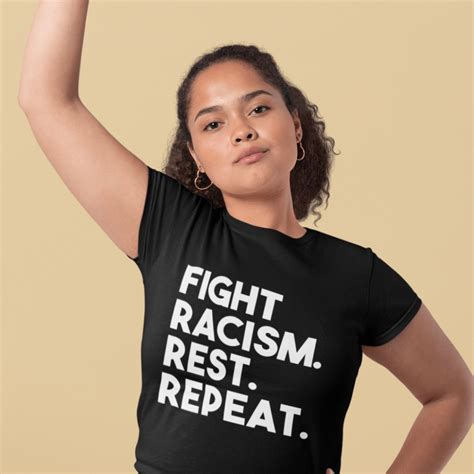
African American artists can also challenge dominant narratives and stereotypes by creating work that is counter-hegemonic, meaning that it resists and subverts the dominant cultural norms. This can involve using satire, irony, or other forms of social commentary to critique the power structures and institutions that perpetuate racism and oppression. By challenging these narratives, black artists can create space for new, alternative perspectives and help to redefine the cultural landscape.
Conclusion and Calls to Action

In conclusion, the concept of the Negro artist and the racial mountain remains a powerful and relevant framework for understanding the challenges faced by African American artists. By recognizing the historical and cultural contexts that shape their experiences, we can better support and amplify the work of black artists, helping to create a more just and equitable cultural landscape. To achieve this, we must:
- Support and amplify the work of African American artists, particularly those who are marginalized or underrepresented.
- Challenge dominant narratives and stereotypes, using our platforms and privilege to create space for counter-hegemonic voices.
- Embrace intersectionality and recognize the multiple, overlapping identities that shape the experiences of black artists.
- Provide resources and opportunities for black artists to develop their skills, build their networks, and showcase their work.
Frequently Asked Questions

What is the racial mountain, and how does it affect African American artists?
The racial mountain is a metaphor for the obstacles faced by African American artists, including racism, stereotypes, and internalized racism. It can limit their opportunities, stifle their creativity, and create tension and conflict.
How can African American artists break free from the constraints of the racial mountain?
African American artists can break free from the racial mountain by rejecting the notion that black art must be defined by its relationship to whiteness, focusing on creating work that is authentic, innovative, and unapologetically black, and embracing intersectionality and counter-hegemonic perspectives.
What role can non-black allies play in supporting African American artists?
Non-black allies can play a crucial role in supporting African American artists by amplifying their work, challenging dominant narratives and stereotypes, and providing resources and opportunities for black artists to develop their skills and showcase their work.
Call to Action

We urge readers to take action in support of African American artists, using their platforms and privilege to create space for counter-hegemonic voices and challenge dominant narratives. By working together, we can create a more just and equitable cultural landscape, where black artists can thrive and flourish. Join the conversation, share your thoughts and experiences, and let us work together to dismantle the racial mountain and create a brighter future for all.