Introduction to The Artist Lab Education

The Artist Lab Education is a revolutionary approach to learning that focuses on nurturing the creative potential within individuals. This educational model is designed to provide students with a comprehensive understanding of art, music, theater, and other creative disciplines. By combining theoretical knowledge with practical skills, The Artist Lab Education aims to empower students to become innovative thinkers, confident performers, and talented artists. In this blog post, we will delve into the world of The Artist Lab Education, exploring its core principles, benefits, and applications.
Core Principles of The Artist Lab Education

The Artist Lab Education is built around several core principles that distinguish it from traditional educational models. Some of these key principles include:
- Interdisciplinary Learning: The Artist Lab Education encourages students to explore multiple creative disciplines, fostering a deeper understanding of the interconnectedness of art, music, theater, and other subjects.
- Project-Based Learning: Students are engaged in hands-on projects that allow them to apply theoretical knowledge to real-world scenarios, developing their problem-solving skills and creative thinking.
- Collaboration and Community: The Artist Lab Education emphasizes the importance of collaboration, encouraging students to work together, share ideas, and learn from one another.
Benefits of The Artist Lab Education

The benefits of The Artist Lab Education are numerous and far-reaching. Some of the most significant advantages include:
- Improved Creativity: By providing students with a supportive environment and diverse learning opportunities, The Artist Lab Education helps to foster creativity, imagination, and innovation.
- Enhanced Critical Thinking: The Artist Lab Education encourages students to think critically, analyze problems, and develop effective solutions, preparing them for success in a wide range of careers.
- Boosted Confidence: Through regular performances, exhibitions, and showcases, students build confidence in their abilities, developing a strong sense of self-expression and artistic identity.
Applications of The Artist Lab Education

The Artist Lab Education has a wide range of applications, from primary and secondary education to higher education and professional development. Some examples include:
- Primary and Secondary Education: The Artist Lab Education can be integrated into school curricula, providing students with a comprehensive arts education that complements traditional subjects like math, science, and language arts.
- Higher Education: The Artist Lab Education can be applied to university and college programs, offering students a unique and innovative approach to learning that prepares them for careers in the arts and beyond.
- Professional Development: The Artist Lab Education can also be used in professional development settings, providing artists, educators, and other professionals with opportunities for continued learning, growth, and creative exploration.
Challenges and Limitations of The Artist Lab Education

While The Artist Lab Education offers many benefits, it also presents several challenges and limitations. Some of these include:
- Lack of Resources: Implementing The Artist Lab Education may require significant investments in infrastructure, equipment, and personnel, which can be a challenge for schools and institutions with limited budgets.
- Resistance to Change: Some educators and administrators may be resistant to adopting new and innovative approaches to learning, which can hinder the implementation of The Artist Lab Education.
- Assessment and Evaluation: The Artist Lab Education may require new and innovative approaches to assessment and evaluation, which can be challenging to develop and implement.
Real-World Examples of The Artist Lab Education

There are many real-world examples of The Artist Lab Education in action, from schools and universities to community organizations and professional development programs. Some examples include:
- The Arts Academy at Benjamin Rush: This public high school in Philadelphia offers a comprehensive arts education program that combines theoretical knowledge with practical skills, providing students with a unique and innovative approach to learning.
- The School of the Art Institute of Chicago: This world-renowned art school offers a range of programs and courses that embody the principles of The Artist Lab Education, from painting and sculpture to film and video production.
- The Lincoln Center Institute: This leading arts education organization provides professional development programs and resources for educators, helping to bring The Artist Lab Education to schools and communities around the world.
Tips for Implementing The Artist Lab Education
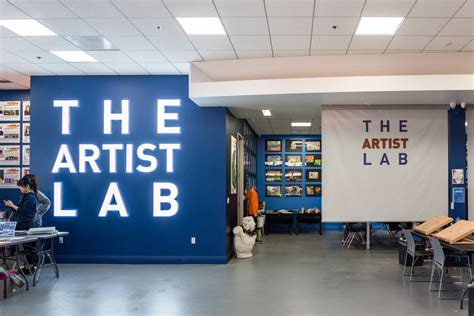
For educators and administrators interested in implementing The Artist Lab Education, here are some tips and strategies to consider:
- Start Small: Begin by introducing The Artist Lab Education into a single classroom or program, and gradually expand to other areas of the school or institution.
- Build a Supportive Community: Foster a sense of community and collaboration among students, educators, and administrators, providing a supportive environment for creative exploration and learning.
- Emphasize Project-Based Learning: Encourage students to engage in hands-on projects that allow them to apply theoretical knowledge to real-world scenarios, developing their problem-solving skills and creative thinking.
Conclusion
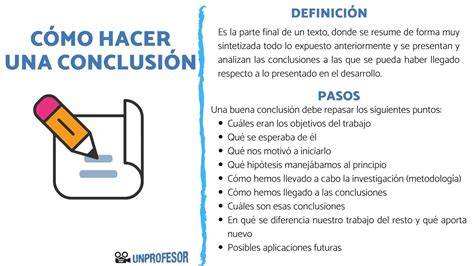
The Artist Lab Education is a revolutionary approach to learning that has the potential to transform the way we think about education and the arts. By providing students with a comprehensive understanding of creative disciplines, The Artist Lab Education empowers them to become innovative thinkers, confident performers, and talented artists. While there are challenges and limitations to implementing The Artist Lab Education, the benefits and applications are numerous and far-reaching. As educators, administrators, and artists, we must work together to bring The Artist Lab Education to schools and communities around the world, unlocking the creative potential of individuals and fostering a more innovative and artistic society.
Frequently Asked Questions

Here are some frequently asked questions about The Artist Lab Education:
- What is The Artist Lab Education?: The Artist Lab Education is a comprehensive approach to learning that focuses on nurturing the creative potential within individuals.
- How does The Artist Lab Education differ from traditional education models?: The Artist Lab Education combines theoretical knowledge with practical skills, emphasizing interdisciplinary learning, project-based learning, and collaboration.
- What are the benefits of The Artist Lab Education?: The benefits of The Artist Lab Education include improved creativity, enhanced critical thinking, and boosted confidence, as well as preparation for success in a wide range of careers.
Call to Action
If you are interested in learning more about The Artist Lab Education or implementing it in your school or institution, we encourage you to take the first step today. Contact us to learn more about our programs and resources, and join a community of educators, administrators, and artists who are passionate about unlocking the creative potential of individuals and fostering a more innovative and artistic society. Together, we can bring The Artist Lab Education to schools and communities around the world, transforming the way we think about education and the arts.