Introduction to Still Life Watercolor Art

Still life watercolor art is a unique and captivating genre that combines the elegance of watercolor painting with the simplicity of still life compositions. This style of art has been a cornerstone of artistic expression for centuries, with many renowned artists contributing to its evolution. In this blog post, we will delve into the world of still life watercolor artists, exploring their techniques, inspirations, and the impact of their work on the art world.
History of Still Life Watercolor Art

The history of still life watercolor art dates back to the 15th century, when artists began experimenting with water-based paints to create delicate, transparent washes. Over time, still life watercolor art evolved to incorporate various styles and techniques, from the intricate botanical illustrations of the 18th century to the bold, expressive works of modern artists. Today, still life watercolor art is a vibrant and diverse genre, with artists from around the world contributing to its ongoing evolution.
Characteristics of Still Life Watercolor Art

Still life watercolor art is characterized by its use of water-based paints to create delicate, transparent washes. This style of art often features everyday objects, such as fruit, flowers, or household items, arranged in a composition that showcases their textures, colors, and forms. Still life watercolor artists typically employ a range of techniques, including wet-on-wet, glazing, and drybrushing, to achieve the desired effects in their work.
Techniques Used by Still Life Watercolor Artists

Still life watercolor artists employ a variety of techniques to create their unique and captivating works. Some common techniques used in still life watercolor art include:
- Wet-on-wet: This technique involves applying wet paint to wet paper, allowing the colors to blend and merge.
- Glazing: This technique involves applying multiple layers of transparent paint to achieve a deep, rich color.
- Drybrushing: This technique involves dragging a almost-dry brush across the paper to create textured, rough effects.
These techniques, combined with the artist's skill and creativity, enable still life watercolor artists to create stunning works that showcase the beauty of everyday objects.
Inspiration and Influences

Still life watercolor artists draw inspiration from a wide range of sources, including nature, art history, and personal experiences. Many artists are influenced by the works of renowned still life painters, such as
Paul Cézanne and
Willem Kalf, who pioneered the genre and pushed its boundaries. Others find inspiration in the world around them, from the shapes and colors of fruit and flowers to the textures and patterns of household items.
Notable Still Life Watercolor Artists

There are many notable still life watercolor artists who have made significant contributions to the genre. Some examples include:
- Charles Reid: An American watercolor artist known for his bold, expressive still life paintings.
- Joseph Zbukvic: A Croatian-Australian watercolor artist celebrated for his delicate, transparent still life works.
- Alvaro Castagnet: A Uruguayan watercolor artist recognized for his vibrant, atmospheric still life paintings.
These artists, along with many others, have helped shape the genre and inspire new generations of still life watercolor artists.
Benefits of Still Life Watercolor Art

Still life watercolor art offers a range of benefits for artists and art enthusiasts alike. Some of the advantages of this genre include:
- Relaxation and stress relief: Creating still life watercolor art can be a calming and meditative experience, allowing artists to focus on the present moment and let go of worries and concerns.
- Creative expression: Still life watercolor art provides artists with a unique outlet for self-expression, enabling them to convey their emotions, ideas, and experiences through color and composition.
- Technical skills development: Still life watercolor art requires a range of technical skills, including color mixing, brushwork, and composition, which can help artists develop their overall artistic abilities.
These benefits, combined with the joy and satisfaction of creating something beautiful, make still life watercolor art a rewarding and engaging pursuit.
Challenges and Limitations
While still life watercolor art offers many benefits, it also presents several challenges and limitations. Some of the common difficulties faced by still life watercolor artists include:
- Color control: Watercolor paint can be unpredictable, making it challenging for artists to achieve the desired colors and effects.
- Composition: Creating a balanced and visually appealing composition can be a daunting task, especially for beginners.
- Time and patience: Still life watercolor art often requires a significant amount of time and patience, as artists must wait for layers to dry and allow the paint to set.
Despite these challenges, many artists find the rewards of still life watercolor art to be well worth the effort and dedication required.
Conclusion and Final Thoughts
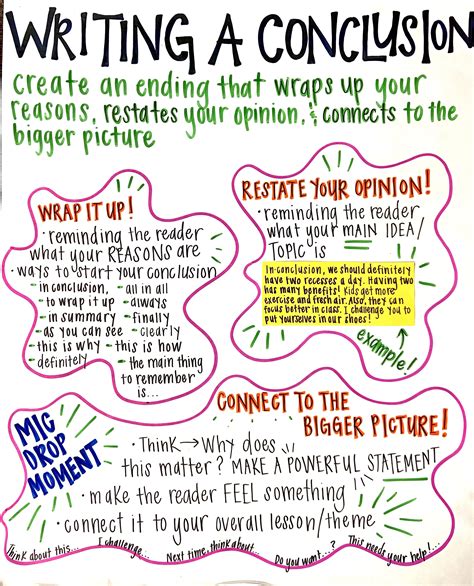
Still life watercolor art is a unique and captivating genre that offers a range of benefits and opportunities for artistic expression. From its rich history and diverse techniques to its notable artists and inspiring works, still life watercolor art is a world worth exploring. Whether you are an experienced artist or just starting out, this genre can provide a rewarding and engaging outlet for creativity and self-expression.
Frequently Asked Questions

Some common questions about still life watercolor art include:
- What is the best way to get started with still life watercolor art?
- How can I improve my still life watercolor skills?
- What are some common mistakes to avoid when creating still life watercolor art?
Answers to these questions and more can be found through practice, patience, and dedication to the craft.
Call to Action

If you are interested in exploring the world of still life watercolor art, we encourage you to take the first step today. Whether you are a seasoned artist or just starting out, there are many resources available to help you get started, from online tutorials and workshops to art classes and supply stores. So why not give still life watercolor art a try? With its unique blend of color, composition, and creative expression, you never know where this journey may take you.
Remember, the most important thing is to have fun and enjoy the process of creating something beautiful.