The age-old debate about separating the art from the artist has sparked intense discussions in recent years, particularly with the rise of social media and the increasing scrutiny of public figures. The question at the heart of this debate is whether it's possible to appreciate and enjoy a work of art without condoning or supporting the problematic behavior of its creator. In this article, we'll delve into the complexities of this issue, exploring the arguments for and against separating the art from the artist, and examining the implications of this debate for art lovers, critics, and creators alike.
Understanding the Debate

The debate about separating the art from the artist is not new, but it has gained significant traction in recent years due to high-profile cases of artists being accused of misconduct, such as harassment, abuse, or bigotry. The issue is often framed as a binary choice: either we condemn the artist and reject their work, or we separate the art from the artist and continue to appreciate their creations. However, the reality is more nuanced, and the decision to separate the art from the artist depends on various factors, including the nature of the artwork, the severity of the artist's misconduct, and the individual's personal values and principles.
The Case for Separating the Art from the Artist

Proponents of separating the art from the artist argue that a work of art should be judged on its own merit, regardless of the creator's personal behavior or character. They contend that art is a separate entity from the artist, and that its value and significance should not be diminished by the artist's flaws or mistakes. This perspective is often rooted in the idea that art is a form of self-expression, and that the artist's intentions, emotions, and experiences are embedded in the work itself. By separating the art from the artist, we can appreciate the artwork as a distinct entity, without being influenced by our feelings about the creator.
Artistic Autonomy
One argument in favor of separating the art from the artist is that it allows us to respect the autonomy of the artwork. When we evaluate a work of art, we should consider its technical skill, emotional resonance, and cultural significance, rather than the artist's personal life or behavior. By doing so, we can appreciate the artwork as a unique and independent entity, rather than a reflection of the artist's character.
The Value of Artistic Expression

Another argument is that art has the power to transcend the artist's personal flaws and mistakes. A work of art can evoke emotions, challenge our assumptions, and provide new insights, regardless of the artist's intentions or character. By separating the art from the artist, we can appreciate the value of artistic expression and the ways in which it can enrich our lives and broaden our perspectives.
The Problem of Moral Relativism

However, some critics argue that separating the art from the artist can lead to moral relativism, where we downplay or ignore the artist's misconduct in order to appreciate their work. This perspective can be problematic, as it may be seen as condoning or enabling the artist's behavior. Moreover, it can create a double standard, where we hold artists to different moral standards than we would hold others.
The Case Against Separating the Art from the Artist

On the other hand, opponents of separating the art from the artist argue that it is impossible to completely disentangle the artwork from the artist's personal life and character. They contend that the artist's experiences, values, and biases are embedded in the work itself, and that our appreciation of the artwork is inevitably influenced by our knowledge of the artist's behavior and character. This perspective is often rooted in the idea that art is a form of personal expression, and that the artist's intentions and emotions are inextricably linked to the work itself.
The Artist's Intentions

One argument against separating the art from the artist is that the artist's intentions and emotions are embedded in the work itself. When we appreciate a work of art, we are not just evaluating its technical skill or aesthetic appeal, but also the artist's vision, creativity, and emotional investment. By ignoring the artist's personal life and character, we may be missing a crucial aspect of the artwork's meaning and significance.
The Impact of Art on Society

Another argument is that art has the power to shape our cultural values and social norms. When we appreciate a work of art, we are not just evaluating its aesthetic appeal, but also its potential impact on our society and culture. By separating the art from the artist, we may be ignoring the ways in which the artwork reflects and reinforces problematic attitudes and behaviors.
The Importance of Accountability

Finally, some critics argue that separating the art from the artist can undermine accountability and perpetuate problematic behavior. When we ignore the artist's misconduct or downplay its significance, we may be creating a culture of impunity, where artists feel that they can behave badly without consequences. By holding artists accountable for their actions, we can promote a culture of respect, empathy, and inclusivity.
Conclusion
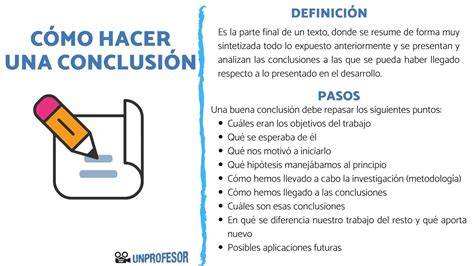
The debate about separating the art from the artist is complex and multifaceted, with valid arguments on both sides. While it is possible to appreciate a work of art without condoning the artist's behavior, it is also important to consider the ways in which the artwork reflects and reinforces the artist's values and biases. Ultimately, the decision to separate the art from the artist depends on our individual values and principles, as well as our understanding of the artwork's meaning and significance.
FAQ

- Q: Is it possible to separate the art from the artist?
A: Yes, it is possible to appreciate a work of art without condoning the artist's behavior, but it depends on various factors, including the nature of the artwork and the severity of the artist's misconduct.
- Q: Should we hold artists accountable for their actions?
A: Yes, holding artists accountable for their actions can promote a culture of respect, empathy, and inclusivity, and undermine problematic behavior.
- Q: Can art be a form of personal expression, even if the artist's behavior is problematic?
A: Yes, art can be a form of personal expression, but it is also important to consider the ways in which the artwork reflects and reinforces the artist's values and biases.
Call to Action

As we navigate the complex debate about separating the art from the artist, it is essential to approach the issue with nuance and sensitivity. We must consider the ways in which the artwork reflects and reinforces the artist's values and biases, and evaluate the artwork on its own merit, while also holding artists accountable for their actions. By doing so, we can promote a culture of respect, empathy, and inclusivity, and appreciate the value of artistic expression in all its forms. So, the next time you encounter a work of art, take a moment to consider the complexities of this debate, and think critically about the ways in which the artwork reflects and reinforces the artist's values and biases.