The role of a production artist is a vital part of the creative process in various industries, including graphic design, advertising, and digital media. A production artist is responsible for ensuring that the final product meets the required standards of quality, accuracy, and aesthetics. In this article, we will delve into the world of production art, exploring the job description, responsibilities, skills, and requirements of a production artist.
Introduction to Production Art

Production art is the process of creating visual elements for various media, such as print, digital, and broadcast. It involves the use of design software, photography, and other techniques to produce high-quality images, graphics, and videos. Production artists work closely with designers, art directors, and other stakeholders to ensure that the final product aligns with the client's vision and objectives.
Key Responsibilities of a Production Artist

The primary responsibilities of a production artist include:
- Designing and creating visual elements, such as graphics, logos, and icons
- Retouching and editing images to enhance their quality and appearance
- Preparing files for print and digital output, ensuring that they meet the required specifications and formats
- Collaborating with designers and art directors to develop concepts and designs
- Testing and quality-checking files to ensure that they are error-free and meet the required standards
Design and Creation of Visual Elements
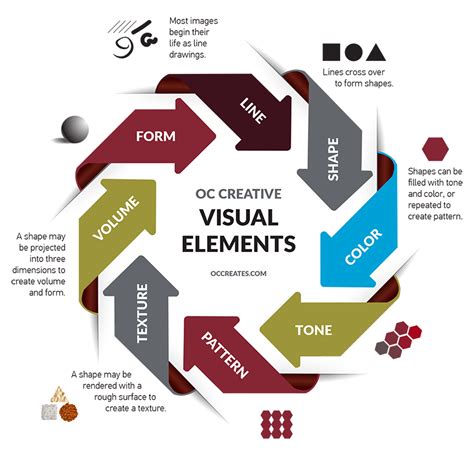
Production artists use various design software, such as Adobe Creative Suite, to create visual elements from scratch. They must have a strong understanding of design principles, color theory, and typography to produce high-quality designs that meet the client's requirements. For example, a production artist working on a branding project may be responsible for designing a logo, business cards, and letterheads that reflect the company's brand identity.
Image Retouching and Editing
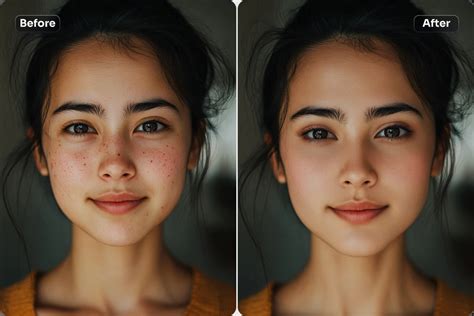
Production artists must have advanced skills in image retouching and editing to enhance the quality and appearance of images. They use software such as Adobe Photoshop to remove blemishes, adjust colors, and improve the overall look and feel of the images. For instance, a production artist working on a fashion campaign may be responsible for retouching images of models to remove imperfections and achieve a flawless look.
File Preparation and Output

Production artists must prepare files for print and digital output, ensuring that they meet the required specifications and formats. They must have a strong understanding of file formats, resolution, and color modes to produce high-quality files that can be used for various purposes. For example, a production artist working on a print project may be responsible for preparing files in CMYK format, while a production artist working on a digital project may need to prepare files in RGB format.
Skills and Requirements

To become a successful production artist, one must possess a combination of technical, creative, and soft skills. Some of the key skills and requirements include:
- Proficiency in design software, such as Adobe Creative Suite
- Strong understanding of design principles, color theory, and typography
- Excellent communication and collaboration skills
- Attention to detail and ability to work accurately
- Ability to work under pressure and meet deadlines
Technical Skills
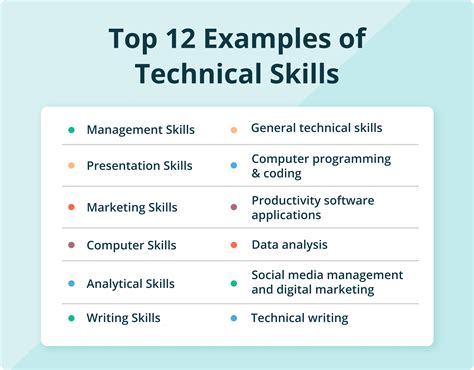
Production artists must have advanced technical skills in design software, such as Adobe Creative Suite. They must be able to use software such as Photoshop, Illustrator, and InDesign to create, edit, and manipulate visual elements. For example, a production artist working on a graphic design project may need to use Illustrator to create vector graphics and logos.
Creative Skills
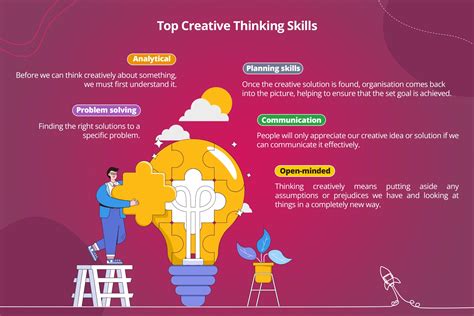
Production artists must have a strong creative vision and ability to think outside the box. They must be able to interpret briefs and develop concepts that meet the client's requirements. For instance, a production artist working on a branding project may need to come up with innovative ideas for a logo design that reflects the company's brand identity.
Soft Skills
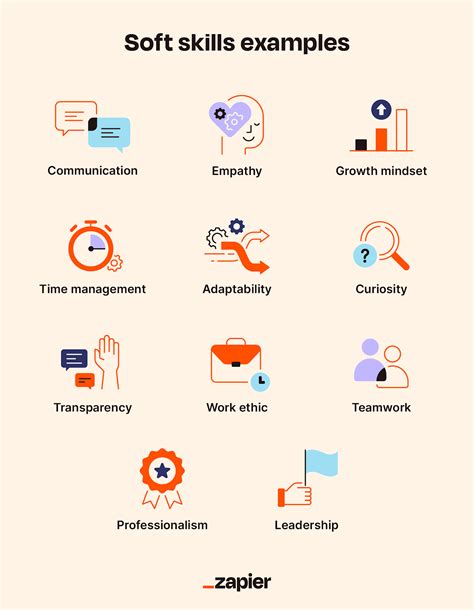
Production artists must have excellent communication and collaboration skills to work effectively with designers, art directors, and other stakeholders. They must be able to receive feedback and criticism, and be able to work under pressure to meet deadlines. For example, a production artist working on a team project may need to communicate with designers and art directors to ensure that the final product meets the required standards.
Benefits and Challenges of Being a Production Artist

Being a production artist can be a rewarding and challenging career. Some of the benefits include:
- Opportunity to work on a variety of projects and clients
- Chance to develop technical and creative skills
- Collaboration with designers and art directors to produce high-quality work
However, there are also challenges, such as:
- Working under pressure to meet deadlines
- Dealing with feedback and criticism
- Staying up-to-date with the latest design trends and software
Real-Life Examples of Production Artists

Production artists work in various industries, including graphic design, advertising, and digital media. For example, a production artist working on a fashion campaign may be responsible for retouching images of models, designing graphics and logos, and preparing files for print and digital output. Another example is a production artist working on a branding project, who may be responsible for designing a logo, business cards, and letterheads that reflect the company's brand identity.
Case Study: Production Artist in the Advertising Industry

A production artist working in the advertising industry may be responsible for creating visual elements for print and digital ads. They may work closely with designers and art directors to develop concepts and designs that meet the client's requirements. For instance, a production artist working on a campaign for a new product launch may be responsible for designing graphics, logos, and images that reflect the product's brand identity.
Case Study: Production Artist in the Digital Media Industry

A production artist working in the digital media industry may be responsible for creating visual elements for websites, social media, and mobile apps. They may work closely with designers and developers to develop concepts and designs that meet the client's requirements. For example, a production artist working on a website redesign project may be responsible for designing graphics, logos, and images that reflect the company's brand identity.
Frequently Asked Questions
Here are some frequently asked questions about production artists:
- What is the average salary of a production artist?
- What are the required skills and qualifications to become a production artist?
- What are the benefits and challenges of being a production artist?
Conclusion
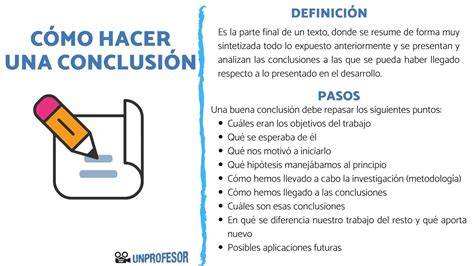
In conclusion, the role of a production artist is a vital part of the creative process in various industries. Production artists must possess a combination of technical, creative, and soft skills to produce high-quality work that meets the client's requirements. If you are interested in pursuing a career as a production artist, it is essential to develop your skills and knowledge in design software, design principles, and communication. With the right skills and attitude, you can succeed in this rewarding and challenging career.
Call to Action

If you are interested in learning more about production art and how to become a production artist, we encourage you to explore our resources and courses. Our team of experts is dedicated to providing you with the knowledge and skills you need to succeed in this field. Contact us today to learn more about our programs and how we can help you achieve your career goals.