Introduction to Oil Paint

Oil paint is a versatile and expressive medium that has been a favorite among artists for centuries. From the Old Masters to modern-day artists, oil paint has been used to create some of the most iconic and enduring works of art in history. In this article, we will delve into the world of oil paint, exploring its history, benefits, and techniques, as well as providing tips and advice for artists looking to get the most out of this incredible medium.
History of Oil Paint

Oil paint has a rich and fascinating history that dates back to the 12th century. The first oil paints were made from linseed oil and pigment, and were used by artists in Europe to create vivid and detailed works of art. Over the centuries, oil paint has evolved and improved, with new pigments and techniques being developed to give artists even more flexibility and creative freedom. Today, oil paint is used by artists all over the world, and is still one of the most popular mediums for creating fine art.
Types of Oil Paint

There are several types of oil paint available, each with its own unique characteristics and advantages. Some of the most common types of oil paint include:
- Student-grade oil paint: This type of oil paint is ideal for beginners, as it is affordable and easy to work with. Student-grade oil paint is often made with lower-quality pigments and binders, but is still a great way to learn the basics of oil painting.
- Artist-grade oil paint: This type of oil paint is made with high-quality pigments and binders, and is designed for professional artists. Artist-grade oil paint is more expensive than student-grade oil paint, but offers superior color and durability.
- Light-fast oil paint: This type of oil paint is made with pigments that are resistant to fading and discoloration, making it ideal for artists who want to create works of art that will last for generations.
Benefits of Oil Paint

Oil paint has many benefits that make it a popular choice among artists. Some of the advantages of oil paint include:
- Blending and layering: Oil paint can be blended and layered to create rich, textured colors and subtle nuances of tone and shade.
- Durability: Oil paint is highly durable and can last for centuries if properly cared for.
- Versatility: Oil paint can be used to create a wide range of effects, from thin, delicate glazes to thick, heavy textures.
Techniques for Working with Oil Paint
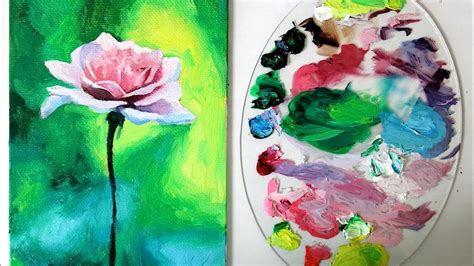
There are many techniques that artists can use to get the most out of oil paint. Some of the most common techniques include:
- Layering: Building up layers of paint to create deep, rich colors and textures.
- Glazing: Applying multiple thin layers of transparent paint to achieve a sense of depth and luminosity.
- Scraping: Using a palette knife or other tool to scrape and remove paint, creating rough, textured surfaces.
Choosing the Right Brushes
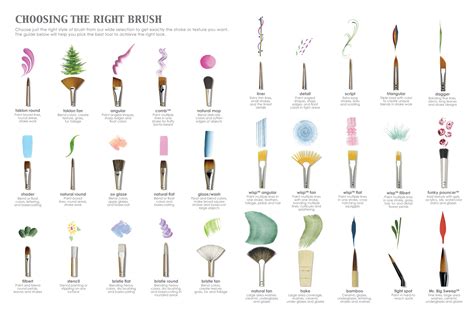
The right brushes can make all the difference when working with oil paint. Natural hair brushes, such as sable or hog's hair, are ideal for oil painting, as they hold a lot of paint and can create smooth, even strokes. Synthetic brushes, on the other hand, are better suited for detail work and fine lines.
Caring for Your Brushes
To get the most out of your brushes, it's essential to care for them properly. This includes:
- Cleaning your brushes: Use soap and water to clean your brushes, and shape them back to their original form to prevent damage.
- Storing your brushes: Store your brushes in a cool, dry place, away from direct sunlight and heat.
- Conditioning your brushes: Use a brush conditioner or oil to keep your brushes soft and supple.
Tips for Beginners

If you're new to oil painting, here are a few tips to get you started:
- Start with simple exercises: Begin with simple exercises, such as painting basic shapes and colors, to get a feel for the medium.
- Practice, practice, practice: The more you paint, the better you'll become. Set aside time each week to practice and experiment with different techniques.
- Don't be afraid to make mistakes: Mistakes are an inevitable part of the learning process. Don't be afraid to take risks and try new things – it's all part of the creative journey.
Common Challenges and Solutions

Like any medium, oil paint can present its own set of challenges and frustrations. Here are a few common issues that artists may encounter, along with some solutions:
Drying Time
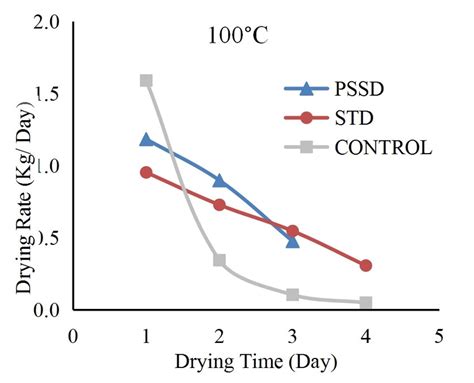
One of the biggest challenges of oil painting is the drying time. Oil paint can take anywhere from a few days to several weeks to fully dry, depending on the thickness of the paint and the environmental conditions.
One way to speed up the drying time is to use a hairdryer or other heat source to gently warm the paint. However, be careful not to apply too much heat, as this can cause the paint to dry too quickly and become brittle.
Color Mixing
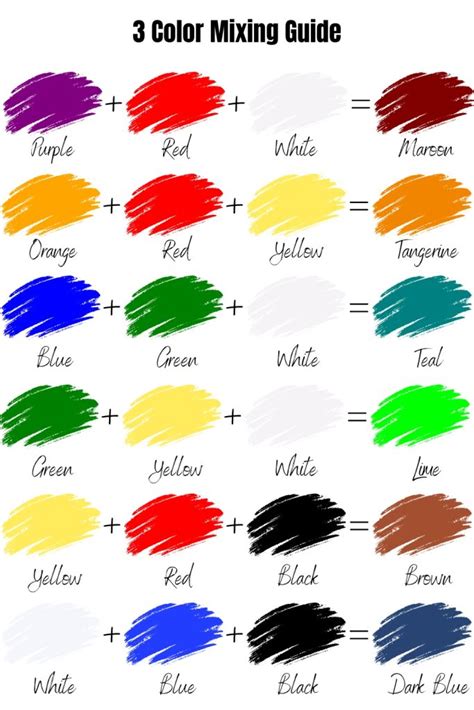
Color mixing can be a challenge for oil painters, especially when working with a limited palette. Here are a few tips for mixing colors:
- Start with a basic color wheel: Understanding the basics of color theory can help you to mix colors more effectively.
- Use a limited palette: Working with a limited palette can actually help you to mix colors more effectively, as you'll be forced to get creative and experiment with different combinations.
- Practice, practice, practice: The more you practice mixing colors, the better you'll become. Experiment with different combinations and techniques to find what works best for you.
Frequently Asked Questions
Here are a few frequently asked questions about oil paint:
What is the best surface to paint on?

The best surface to paint on will depend on your personal preference and the type of paint you're using. Some popular options include:
- Canvas: A classic choice for oil painting, canvas is durable and versatile.
- Board: A wooden board can provide a smooth, even surface for painting.
- Paper: Some artists prefer to paint on paper, which can provide a unique texture and effect.
How do I clean my oil paint brushes?

To clean your oil paint brushes, use soap and water to gently remove any paint and debris. Shape your brushes back to their original form to prevent damage, and store them in a cool, dry place.
What is the difference between student-grade and artist-grade oil paint?

The main difference between student-grade and artist-grade oil paint is the quality of the pigments and binders. Artist-grade oil paint is made with higher-quality ingredients and is designed for professional artists who demand the best.
Conclusion
Oil paint is a versatile and expressive medium that offers artists a wide range of creative possibilities. With its rich history, durable finish, and versatility, oil paint is an ideal choice for artists of all levels and styles. Whether you're a beginner or a seasoned pro, oil paint can help you to unleash your creativity and bring your vision to life.
So why not give oil paint a try? With its many benefits and advantages, it's an ideal medium for anyone looking to explore their creative side and create something truly unique and special.
Call to Action

If you're interested in learning more about oil paint and how to get started, be sure to check out our upcoming workshops and classes. Our experienced instructors will guide you through the basics of oil painting, from color mixing and brushwork to composition and technique. Don't miss out on this opportunity to unleash your creativity and take your art to the next level. Sign up today and discover the joy of oil painting for yourself!