Introduction to Monet's Garden

Claude Monet, one of the most renowned artists of the Impressionist movement, found solace and inspiration in his magnificent garden at Giverny. This enchanting oasis, filled with vibrant flowers, lush greenery, and serene water features, played a pivotal role in shaping Monet's art and legacy. In this article, we will delve into the history, design, and significance of Monet's artist garden, exploring its impact on his life and work.
History of the Garden

Monet discovered Giverny in 1883, and it was love at first sight. He was immediately drawn to the village's picturesque landscape, with its rolling hills, sparkling river, and vibrant flora. After renting a house in the village, Monet began to transform the surrounding land into a breathtaking garden, which would become his lifelong passion project. Over the years, he carefully cultivated and expanded the garden, incorporating a wide variety of plants, trees, and water features.
Design and Layout

Monet's garden was a masterpiece of design, reflecting his artistic vision and attention to detail. The garden was divided into two main areas: the Clos Normand, a formal garden filled with fruit trees, flowers, and vegetables, and the Jardin d'Eau, a stunning water garden featuring a pond, fountain, and Japanese footbridge. The Clos Normand was designed to provide a sense of structure and order, while the Jardin d'Eau was a haven of tranquility and natural beauty.
Flora and Fauna

The garden was a riot of color and texture, with a vast array of flora and fauna. Monet was particularly fond of flowers, and his garden featured an incredible variety of blooms, including roses, lilies, sunflowers, and irises. The garden was also home to numerous trees, including willows, poplars, and apple trees, which provided shade, shelter, and inspiration for Monet's art.
Water Features
The water features in Monet's garden were a key element of its design and beauty. The pond, which was filled with water lilies and other aquatic plants, was a favorite subject of Monet's paintings. The fountain, which was designed by Monet himself, added a soothing background noise to the garden, creating a sense of serenity and peace.
The Garden's Impact on Monet's Art

Monet's garden had a profound impact on his art, inspiring some of his most famous works. The garden's vibrant colors, lush textures, and serene atmosphere influenced Monet's palette, composition, and overall style. Many of his paintings feature the garden's flowers, trees, and water features, which were often depicted in exquisite detail and with a deep sense of reverence.
Series Paintings
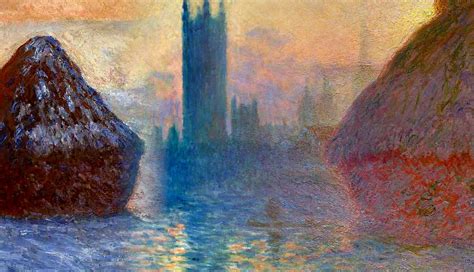
Monet was famous for his series paintings, which featured multiple depictions of the same subject. The garden was a frequent subject of these series, with Monet painting the same scene at different times of day, in various weather conditions, and with changing light effects. These series paintings showcased Monet's ability to capture the fleeting effects of light and color, and demonstrated his deep fascination with the natural world.
Techniques and Innovations

Monet's garden inspired him to experiment with new techniques and innovations in his art. He developed a unique style of painting, characterized by short, broken brushstrokes and vivid, unblended colors. This style, which became known as Impressionism, was perfectly suited to capturing the garden's fleeting effects of light and color.
Color Palette

Monet's garden also influenced his color palette, which became increasingly vibrant and expressive over time. He developed a love of bold, bright colors, which he used to capture the garden's flowers, foliage, and water features. Monet's color palette was characterized by an emphasis on blues, greens, and yellows, which were often used in combination to create a sense of depth and luminosity.
Visiting Monet's Garden
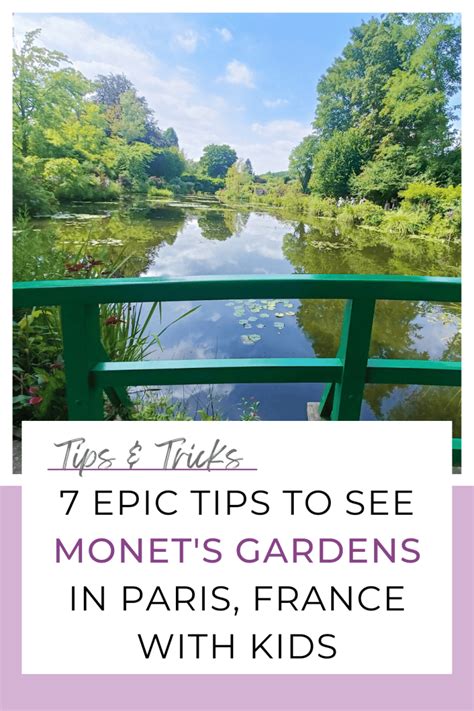
Today, Monet's garden is a popular tourist destination, attracting visitors from all over the world. The garden has been beautifully restored and maintained, and features many of the same plants, trees, and water features that inspired Monet's art. Visitors can explore the Clos Normand and Jardin d'Eau, and see the very spots where Monet painted some of his most famous works.
Practical Information

For those planning to visit Monet's garden, here are some practical tips and information:
- The garden is open from April to November, and is closed during the winter months.
- Visitors can take a guided tour of the garden, which includes the Clos Normand and Jardin d'Eau.
- The garden features a museum, which showcases Monet's art and personal belongings.
- There is a gift shop on site, which sells a range of Monet-inspired products and souvenirs.
Tips for Visitors

To make the most of your visit to Monet's garden, here are some tips:
- Arrive early in the morning, or late in the afternoon, to avoid the crowds.
- Bring a camera, to capture the garden's beauty and inspiration.
- Wear comfortable shoes, as the garden is large and requires a fair amount of walking.
- Bring a picnic lunch, to enjoy in the garden's peaceful surroundings.
Conclusion

Monet's artist garden is a true masterpiece, a haven of inspiration and beauty that reflects the artist's deep love of nature and art. The garden's design, flora, and fauna all contributed to its unique charm and character, and inspired some of Monet's most famous works. Whether you are an art lover, a garden enthusiast, or simply someone who appreciates beauty and tranquility, Monet's garden is a must-see destination.
Call to Action

If you are interested in learning more about Monet's garden, or would like to plan a visit, we encourage you to explore the resources and links provided below. With its stunning beauty, rich history, and enduring inspiration, Monet's garden is a destination that is sure to captivate and delight.
Frequently Asked Questions

Here are some frequently asked questions about Monet's garden:
Q: Is the garden open all year round?
A: No, the garden is closed during the winter months, from November to April.
Q: Can I take a guided tour of the garden?
A: Yes, guided tours are available, and can be booked in advance.
Q: Are there any restaurants or cafes near the garden?
A: Yes, there are several restaurants and cafes in the village of Giverny, which offer a range of dining options.
Q: Can I purchase Monet's art or souvenirs at the garden?
A: Yes, there is a gift shop on site, which sells a range of Monet-inspired products and souvenirs.