Introduction to Inspirations for Artists

Artists, regardless of their medium or style, often find themselves in need of inspiration to create their next masterpiece. Inspiration can strike from various sources, and understanding these sources can help artists tap into their creative potential. In this article, we will delve into the five main inspirations for artists, exploring what sparks their imagination and fuels their creativity. Whether you are a painter, musician, writer, or any other type of artist, this journey into the world of inspirations will help you find your muse.
Understanding the Importance of Inspiration

Inspiration is the foundation upon which artistic expression is built. It's the spark that ignites the flame of creativity, guiding artists through their work and shaping their unique voice. Without inspiration, artists may find themselves stuck in a rut, unable to produce work that truly reflects their vision. Therefore, it's crucial for artists to seek out and understand their sources of inspiration, allowing them to cultivate a consistent and evolving creative process.
Personal Experiences as a Source of Inspiration

One of the most profound sources of inspiration for artists is their personal experiences. Life events, emotions, and interactions can all serve as fertile ground for creativity. Artists often draw upon their own stories, using them as a basis for their work. This can be seen in the way a musician might write a song about a past love or how a painter might create a piece that reflects their current emotional state. By tapping into their personal experiences, artists can create work that is authentic and resonates deeply with their audience.
Nature and the Environment

Nature has long been a source of inspiration for artists, with its vast landscapes, intricate details, and ever-changing seasons. The environment can stimulate an artist's senses, providing a wealth of material for exploration. From the majestic beauty of mountains to the serene tranquility of a forest, nature offers endless opportunities for artistic expression. Many artists find solace in the natural world, using it as a backdrop for their creativity or incorporating elements of nature directly into their work.
Cultural and Historical Influences

Cultural and historical influences play a significant role in shaping an artist's inspiration. The works of past masters, cultural traditions, and historical events can all serve as catalysts for creativity. Artists may find themselves drawn to the styles of different eras or the unique perspectives of various cultures. By studying and appreciating these influences, artists can broaden their understanding of the world and enrich their artistic vision. This can be seen in the fusion of traditional and modern elements in contemporary art, where artists blend historical techniques with contemporary themes and ideas.
The Five Main Inspirations for Artists

Now, let's dive deeper into the five main inspirations that spark creativity and imagination in artists. These inspirations are not mutually exclusive and often overlap, creating a rich tapestry of influences that guide the artistic process.
1. Emotions and Personal Reflections

Emotions and personal reflections are powerful inspirations for artists. By exploring their inner world, artists can create work that is deeply personal and universally relatable. This inspiration can manifest in various forms, from the intense passion of a love song to the introspective narratives found in literary works. Artists who tap into their emotions and personal reflections can produce pieces that are not only meaningful to themselves but also resonate with their audience on a profound level.
Benefits of Emotional Expression

Expressing emotions through art can have numerous benefits, both for the artist and the viewer. It allows artists to process their feelings, gaining a deeper understanding of themselves and the world around them. For the audience, emotionally charged art can evoke powerful responses, creating a connection between the viewer and the artwork. This connection can be therapeutic, educational, or simply entertaining, depending on the context and intent of the piece.
Challenges of Emotional Expression

While emotional expression is a potent source of inspiration, it also presents challenges. Artists may struggle to convey their emotions effectively, facing difficulties in translating their inner experiences into a tangible form. Moreover, the personal nature of emotional expression can make artists vulnerable, requiring them to be brave and open in their creative endeavors. Despite these challenges, the rewards of emotional expression make it a compelling and essential inspiration for many artists.
2. The Natural World and Environmental Issues

The natural world, with its beauty, complexity, and fragility, is another significant inspiration for artists. The environment can inspire artists in various ways, from the aesthetic appeal of landscapes and wildlife to the urgent call to action presented by environmental issues. Many artists find themselves drawn to the natural world, using it as a subject, a symbol, or a medium for their work. This inspiration can lead to pieces that are not only visually stunning but also thought-provoking, encouraging viewers to reflect on their relationship with the environment.
Examples of Nature-Inspired Art

Nature has inspired countless works of art throughout history. From the landscapes of the Hudson River School to the environmental installations of contemporary artists, the natural world has been a constant source of inspiration. Artists like Claude Monet, with his series of water lily paintings, and Andy Goldsworthy, with his ephemeral sculptures made from natural materials, have demonstrated the diverse ways in which nature can inspire artistic expression.
Environmental Art and Activism

The natural world also inspires artists to engage in environmental activism. By using their work to highlight environmental issues, artists can raise awareness and promote change. This can be seen in the works of artists who create pieces from recycled materials, challenging consumerism and waste, or those who use their platform to support conservation efforts. Environmental art and activism demonstrate the power of inspiration to not only create beautiful works but also to inspire positive action.
3. Cultural Heritage and Historical Context

Cultural heritage and historical context are rich sources of inspiration for artists. By exploring the traditions, myths, and historical events of different cultures, artists can gain a deeper understanding of the world and its complexities. This inspiration can lead to works that are deeply rooted in tradition yet uniquely contemporary, reflecting the artist's personal perspective and creative vision.
Cultural Exchange and Fusion

Cultural exchange and fusion are significant aspects of artistic inspiration, allowing artists to blend different traditions and styles to create something new and innovative. This can be seen in the vibrant colors and patterns of African textiles, the intricate designs of Islamic art, or the bold expressions of Latin American street art. By engaging with diverse cultural heritages, artists can enrich their work, making it more dynamic and meaningful.
Historical Context and Artistic Expression
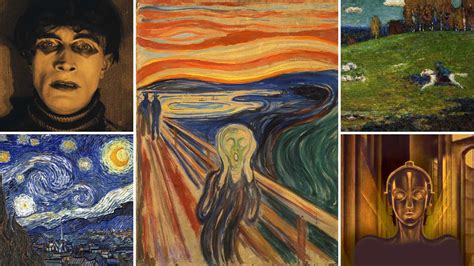
Historical context also plays a crucial role in shaping artistic inspiration. Artists often respond to historical events, social movements, and cultural shifts, using their work as a form of commentary, critique, or celebration. This can be seen in the works of artists who have addressed issues like war, inequality, and freedom, using their creative voice to contribute to the ongoing dialogue about the human condition.
4. Technology and Innovation

Technology and innovation are increasingly important inspirations for artists, offering new mediums, tools, and possibilities for creative expression. From digital art and virtual reality to 3D printing and robotics, technology has expanded the artist's palette, allowing for unprecedented levels of complexity and interactivity.
Advantages of Digital Art

Digital art, in particular, has democratized the creative process, making it more accessible and versatile. Artists can now produce, share, and interact with their work in ways that were previously unimaginable. Digital platforms have also enabled global connectivity, allowing artists to collaborate, learn from each other, and reach a wider audience.
Challenges and Critics of Digital Art

Despite its advantages, digital art also presents challenges and criticisms. Some argue that the ease of digital creation can lead to a lack of depth or substance in the work, while others question the authenticity and value of digital art compared to traditional mediums. However, these challenges also inspire innovation, as artists continually push the boundaries of what is possible with technology, exploring new ways to express themselves and engage their audience.
5. Social and Political Issues

Social and political issues are powerful inspirations for artists, allowing them to address, critique, and reflect on the world around them. By engaging with these issues, artists can create work that is not only aesthetically pleasing but also thought-provoking and socially relevant.
Art as Social Commentary

Art has long been used as a form of social commentary, providing a platform for artists to express their views on issues like justice, equality, and freedom. This can be seen in the works of artists who have used their creativity to challenge social norms, advocate for change, and inspire collective action. By using their art to address social and political issues, artists can contribute to the ongoing conversation about the kind of world we want to create.
Artistic Activism and Engagement

Artistic activism and engagement are critical components of inspiration for many artists. By using their work to raise awareness, mobilize support, and promote dialogue, artists can make a meaningful impact on the issues they care about. This can involve collaborating with communities, participating in public art projects, or simply using their platform to amplify marginalized voices. Through their creative expression, artists can inspire others to get involved, fostering a sense of community and collective responsibility.
Conclusion and Call to Action

In conclusion, the five main inspirations for artists - emotions and personal reflections, the natural world and environmental issues, cultural heritage and historical context, technology and innovation, and social and political issues - are interconnected and multifaceted. By exploring and understanding these inspirations, artists can tap into their creative potential, producing work that is not only meaningful to themselves but also resonates with their audience. Whether you are an artist looking for your next project or simply someone who appreciates the power of art, we encourage you to explore these inspirations, allowing them to spark your creativity and imagination.
Frequently Asked Questions

- What are the main sources of inspiration for artists?
The main sources of inspiration for artists include emotions and personal reflections, the natural world and environmental issues, cultural heritage and historical context, technology and innovation, and social and political issues.
- How can artists cultivate their creativity and find inspiration?
Artists can cultivate their creativity and find inspiration by exploring different sources, such as nature, personal experiences, cultural traditions, and technological innovations. Engaging with these sources, reflecting on their meanings, and experimenting with various mediums and techniques can help artists discover new inspiration and deepen their creative practice.
- What role does inspiration play in the artistic process?
Inspiration plays a central role in the artistic process, serving as the spark that ignites creativity and guides the development of a work. It influences the themes, styles, and mediums artists choose, shaping the final piece and its impact on the audience.
Final Thoughts and Encouragement

As we conclude this journey into the world of inspirations for artists, we hope that you have found new ideas, perspectives, and motivations to explore your own creativity. Remember, inspiration is everywhere, waiting to be discovered in the beauty of nature, the complexity of human emotions, the richness of cultural heritage, the innovation of technology, and the urgency of social and political issues. By embracing these inspirations and allowing them to guide your artistic expression, you can create work that is not only a reflection of your unique vision but also a contribution to the ongoing dialogue about the human experience. So, go ahead, explore, create, and inspire - the world is waiting for your next masterpiece.