Introduction to the World of Art

The world of art is a vast and fascinating realm, filled with masterpieces that have been created by some of the most talented and innovative individuals in history. From the Renaissance to modern times, famous artists have been pushing the boundaries of creativity, experimenting with new techniques, and leaving behind a legacy of breathtaking works of art. In this article, we will delve into the lives and works of some of the most renowned artists, exploring their styles, inspirations, and contributions to the art world.
The Renaissance Masters
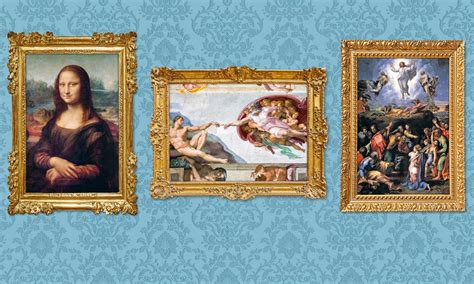
The Renaissance was a pivotal period in art history, marked by a resurgence of interest in classical Greek and Roman culture. This era saw the emergence of some of the most celebrated artists of all time, including
Leonardo da Vinci,
Michelangelo, and
Raphael. These masters of the Renaissance were known for their incredible skill and attention to detail, as seen in iconic works such as the Mona Lisa and The Last Supper.
The Artistic Innovations of the Renaissance

The Renaissance artists were true innovators, introducing new techniques and styles that would influence art for centuries to come. Some of the key innovations of this period include:
The Use of Perspective

The use of perspective was a major breakthrough in Renaissance art, allowing artists to create highly realistic and three-dimensional scenes. This technique, which involves creating the illusion of depth on a flat surface, was pioneered by artists such as
Leon Battista Alberti and
Leonardo da Vinci.
The Development of Oil Painting

The Renaissance also saw the rise of oil painting, which allowed for greater detail and realism than earlier mediums. Artists such as
Jan van Eyck and
Titian were masters of oil painting, using the medium to create rich, vibrant, and highly detailed works of art.
The Emergence of New Art Forms

The Renaissance saw the emergence of new art forms, including sculpture, architecture, and printmaking. Artists such as
Michelangelo and
Donatello were renowned for their work in these fields, creating iconic pieces that continue to inspire and awe audiences today.
The Modern Art Movement

The modern art movement, which emerged in the late 19th and early 20th centuries, was characterized by a radical break with traditional techniques and styles. This era saw the rise of
Impressionism,
Expressionism, and
Cubism, among other movements. Some of the most famous modern artists include
Claude Monet,
Pablo Picasso, and
Vincent van Gogh.
The Key Characteristics of Modern Art

Modern art is characterized by a number of key features, including:
Experimentation with New Techniques

Modern artists were known for their willingness to experiment with new techniques and mediums. This included the use of new materials, such as
acrylic paint and
mixed media, as well as the development of new styles, such as
Abstract Expressionism.
A Focus on Emotion and Expression

Modern art is often characterized by a focus on emotion and expression, with artists seeking to convey their inner experiences and feelings through their work. This can be seen in the highly expressive and emotive works of artists such as
Edvard Munch and
Egon Schiele.
A Rejection of Traditional Forms

Modern art often involves a rejection of traditional forms and conventions, with artists seeking to break free from the constraints of traditional techniques and styles. This can be seen in the innovative and avant-garde works of artists such as
Marcel Duchamp and
Kazimir Malevich.
The Contemporary Art Scene

The contemporary art scene is a vibrant and dynamic realm, with artists from around the world creating innovative and thought-provoking works of art. Some of the most famous contemporary artists include
Jeff Koons,
Gerhard Richter, and
Cindy Sherman.
The Key Features of Contemporary Art

Contemporary art is characterized by a number of key features, including:
A Focus on Conceptualism
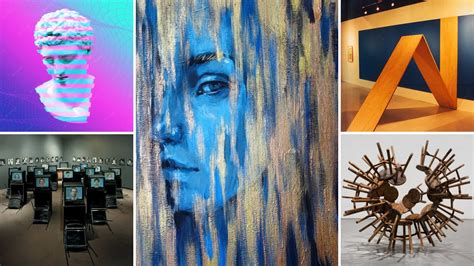
Contemporary art often involves a focus on conceptualism, with artists seeking to explore and challenge ideas and concepts through their work. This can be seen in the highly conceptual and often provocative works of artists such as
Marina Abramovic and
Tino Sehgal.
The Use of New Technologies

Contemporary art often involves the use of new technologies, such as
digital media and
virtual reality. This has opened up new possibilities for artists, allowing them to create immersive and interactive experiences that engage audiences in new and innovative ways.
A Global Perspective
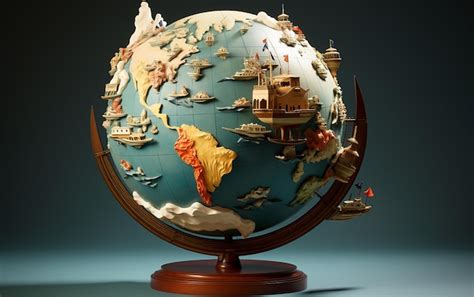
The contemporary art scene is a global phenomenon, with artists from around the world contributing to the dialogue and shaping the art world. This has led to a diverse and vibrant art scene, with artists from different cultures and backgrounds bringing their unique perspectives and experiences to the table.
Conclusion
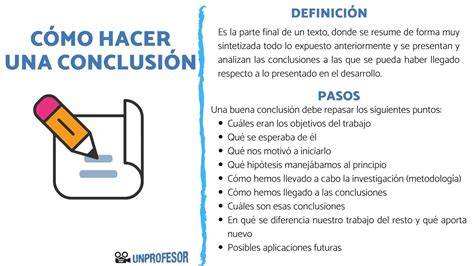
The world of art is a rich and fascinating realm, filled with masterpieces that have been created by some of the most talented and innovative individuals in history. From the Renaissance to modern times, famous artists have been pushing the boundaries of creativity, experimenting with new techniques, and leaving behind a legacy of breathtaking works of art. By exploring the lives and works of these artists, we can gain a deeper understanding of the art world and the many ways in which art can inspire, educate, and enrich our lives.
Frequently Asked Questions

- Who are some of the most famous artists of all time?
Some of the most famous artists of all time include Leonardo da Vinci, Michelangelo, and Vincent van Gogh.
- What is the difference between modern and contemporary art?
Modern art refers to the art movement that emerged in the late 19th and early 20th centuries, while contemporary art refers to the art of the present day.
- How can I learn more about art and artists?
There are many ways to learn more about art and artists, including visiting museums and galleries, reading art books and articles, and taking art classes or workshops.
Call to Action

If you are interested in learning more about art and artists, we encourage you to explore the many resources available to you. Visit your local museum or gallery, read art books and articles, and take art classes or workshops. By engaging with the art world, you can gain a deeper understanding of the many ways in which art can inspire, educate, and enrich our lives.
Art is the queen of all sciences communicating knowledge to all the generations of the world. - Leonardo da Vinci