Introduction to Black and White Art

Black and white art has been a cornerstone of the art world for centuries, with its timeless appeal continuing to captivate audiences to this day. The absence of color allows the viewer to focus on the composition, texture, and emotion of the piece, creating a unique and intimate connection with the artwork. In this blog post, we will delve into the world of black and white artists, exploring their techniques, inspirations, and the impact of their work on the art world.
History of Black and White Art

The history of black and white art dates back to the early days of photography, when photographers such as Ansel Adams and Dorothea Lange used the medium to capture powerful and evocative images. The development of film and printing techniques allowed artists to experiment with different tones and textures, creating a wide range of visual effects. The black and white aesthetic was also popularized by artists such as Picasso and Matisse, who used the medium to create bold and expressive works.
Techniques Used by Black and White Artists

Black and white artists employ a range of techniques to create their unique and captivating pieces. Some of the most common techniques include:
- High contrast: Using strong contrasts between light and dark to create a sense of drama and tension
- Grayscale: Gradually transitioning from black to white to create a sense of depth and dimension
- Texture: Incorporating different textures and materials to add depth and interest to the piece
- Composition: Carefully arranging elements to create a balanced and visually appealing composition
Inspirations and Influences

Black and white artists draw inspiration from a wide range of sources, including:
- Nature: The patterns, textures, and forms found in the natural world
- Architecture: The shapes, lines, and structures of buildings and monuments
- Portraiture: The faces, expressions, and emotions of people
- Abstract concepts: Ideas, emotions, and experiences that cannot be represented literally
Notable Black and White Artists

Some notable black and white artists include:
- Ansel Adams: A landscape photographer known for his iconic images of the American West
- Henri Cartier-Bresson: A street photographer who captured the essence of urban life
- Franz Kline: An abstract expressionist painter who used bold brushstrokes and gestural marks
- Dorothea Lange: A documentary photographer who chronicled the lives of marginalized communities
Benefits of Black and White Art

Black and white art has a number of benefits, including:
Emotional Resonance

Black and white art has the power to evoke strong emotions and create a sense of connection with the viewer. By stripping away the distraction of color, the artist can focus on the essence of the subject, creating a more intimate and personal experience.
Timelessness

Black and white art is timeless, transcending the fleeting nature of color and fashion. A well-crafted black and white piece can remain relevant and beautiful for generations, speaking to fundamental human experiences and emotions.
Versatility

Black and white art can be used in a variety of contexts, from fine art to commercial photography, and from graphic design to interior decoration. The versatility of the medium allows artists to experiment and innovate, pushing the boundaries of what is possible.
Challenges and Limitations

While black and white art has many benefits, it also presents a number of challenges and limitations. These include:
- Lack of color: The absence of color can make it difficult to convey certain emotions or moods
- Difficulty in capturing detail: Black and white art can struggle to capture the nuances and subtleties of color
- Limited appeal: Some viewers may find black and white art too stark or monotonous
Practical Tips for Creating Black and White Art

If you are interested in creating your own black and white art, here are some practical tips to get you started:
Experiment with Different Techniques
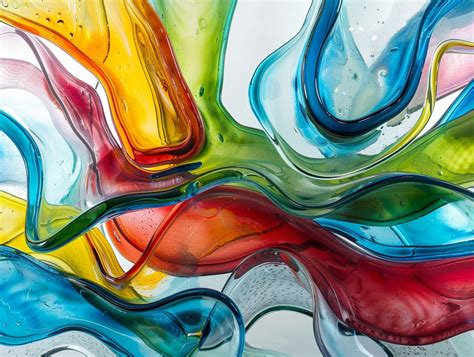
Don't be afraid to try out different techniques and styles, such as high contrast, grayscale, and texture. Experimenting with different approaches will help you develop your unique voice and vision.
Pay Attention to Composition

Composition is crucial in black and white art, as the absence of color means that the viewer's attention is focused on the arrangement of elements. Take the time to carefully consider the placement and balance of shapes, lines, and forms.
Use Reference Images
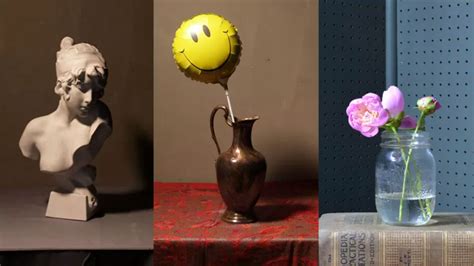
Reference images can be a great source of inspiration and guidance, helping you to develop your skills and techniques. Look to the work of other black and white artists, as well as photographs and real-life observations.
Practice, Practice, Practice

Like any skill, creating black and white art takes practice and dedication. Set aside time each week to work on your craft, experimenting with different techniques and styles.
FAQs

Here are some frequently asked questions about black and white art:
What is the best way to learn black and white art?

The best way to learn black and white art is through practice and experimentation. Take classes, workshops, or online tutorials to develop your skills, and don't be afraid to try out new techniques and styles.
What are the benefits of creating black and white art?

The benefits of creating black and white art include the ability to evoke strong emotions, create a sense of timelessness, and experiment with different techniques and styles.
Can black and white art be used in commercial contexts?

Yes, black and white art can be used in a variety of commercial contexts, including advertising, graphic design, and interior decoration.
Conclusion

Black and white art is a timeless and captivating medium, offering a unique and intimate connection with the viewer. By exploring the techniques, inspirations, and benefits of black and white art, we can gain a deeper appreciation for the power and beauty of this enduring art form. Whether you are an artist, a designer, or simply a lover of art, we hope that this blog post has inspired you to explore the world of black and white art.
Black and white art is not just about the absence of color, but about the presence of emotion, texture, and composition. It is a medium that requires patience, dedication, and practice, but offers a wealth of creative possibilities and rewards.
Call to Action: We encourage you to explore the world of black and white art, whether through creating your own pieces or simply appreciating the work of others. With its timeless appeal and versatility, black and white art has the power to inspire, educate, and captivate audiences around the world.