Introduction to Human Anatomy for Artists

Understanding human anatomy is crucial for artists who want to create realistic and detailed drawings or paintings of the human body. An
atlas of human anatomy is a comprehensive guide that provides detailed illustrations and information about the structure and function of the human body. In this article, we will explore the importance of human anatomy for artists, the different types of atlases available, and provide tips and practical advice for using an atlas to improve your artistic skills.
Why is Human Anatomy Important for Artists?

Human anatomy is the study of the structure and organization of the human body. For artists, understanding human anatomy is essential to create realistic and detailed drawings or paintings of the human body. Knowing the proportions, shapes, and relationships between different parts of the body allows artists to create more accurate and convincing representations of the human form. Additionally, understanding human anatomy can help artists to create more expressive and emotive drawings, as they can use their knowledge of the body's structure to convey emotions and movement.
Understanding Proportions and Measurements

One of the key aspects of human anatomy for artists is understanding the proportions and measurements of the human body. This includes knowing the average proportions of the body, such as the ratio of the head to the body, the length of the limbs, and the shape of the torso. By understanding these proportions, artists can create more accurate and realistic drawings of the human body.
The Importance of Muscle and Bone Structure

Muscle and bone structure are also crucial aspects of human anatomy for artists. Understanding how the muscles and bones work together to create movement and support the body is essential for creating realistic and detailed drawings of the human form. Artists should study the different muscle groups, including the skeletal muscles, smooth muscles, and cardiac muscles, and understand how they interact with the bones to create movement.
Understanding the Skeletal System
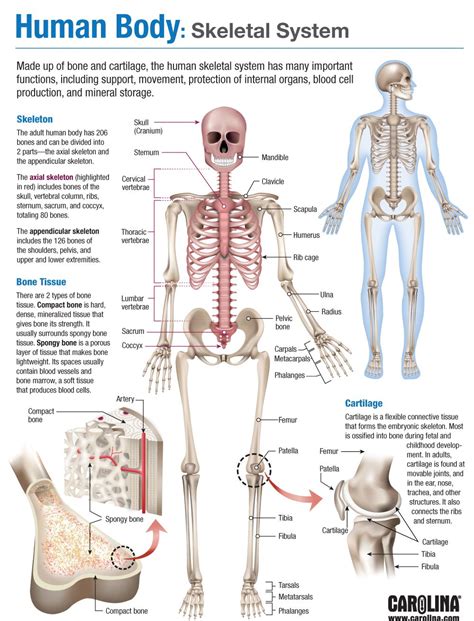
The skeletal system is the framework of the human body, providing support and protection for the body's organs and tissues. Artists should study the different bones of the skeletal system, including the skull, spine, ribcage, and limbs, and understand how they fit together to create the body's overall shape and structure.
Types of Atlases of Human Anatomy

There are several types of atlases of human anatomy available, each with its own unique features and benefits. Some of the most common types of atlases include:
- Comprehensive Atlases: These atlases provide detailed information about the entire human body, including the skeletal, muscular, and nervous systems.
- Specialized Atlases: These atlases focus on specific areas of the body, such as the head and neck, or the limbs.
- Historical Atlases: These atlases provide a historical perspective on human anatomy, showcasing the development of anatomical knowledge over time.
Choosing the Right Atlas

With so many different types of atlases available, it can be difficult to choose the right one for your needs. Here are a few tips to consider:
- Consider your level of experience: If you are a beginner, look for an atlas that provides clear and concise information, with plenty of illustrations and diagrams.
- Think about your specific needs: If you are interested in drawing the human head and neck, look for an atlas that specializes in this area.
- Look for an atlas with high-quality illustrations: The illustrations in an atlas should be clear, detailed, and accurate, with labels and captions to help you understand the different structures and systems.
Pros and Cons of Different Atlases

Each type of atlas has its own pros and cons, and it's essential to consider these when choosing the right atlas for your needs. For example:
- Comprehensive Atlases: Pros - provide detailed information about the entire human body; Cons - can be overwhelming and difficult to navigate.
- Specialized Atlases: Pros - provide in-depth information about specific areas of the body; Cons - may not provide enough general information about the human body.
- Historical Atlases: Pros - provide a unique perspective on human anatomy; Cons - may not be as accurate or up-to-date as other types of atlases.
Using an Atlas of Human Anatomy to Improve Your Artistic Skills

An atlas of human anatomy can be a powerful tool for improving your artistic skills. Here are a few tips for using an atlas to improve your drawing and painting abilities:
Study the Illustrations

The illustrations in an atlas of human anatomy are a valuable resource for artists. Study the different illustrations, paying attention to the proportions, shapes, and relationships between different parts of the body. Use the illustrations to practice drawing and painting the human form, and to develop your skills in capturing the subtleties of human anatomy.
Practice Drawing from Life

While an atlas of human anatomy can provide valuable information and guidance, it's essential to practice drawing from life to develop your skills. Draw and paint the human form from observation, using models or still-life setups to practice capturing the subtleties of human anatomy.
Use Reference Images

Reference images can be a valuable tool for artists, providing a starting point for drawings and paintings. Use reference images to practice drawing and painting the human form, and to develop your skills in capturing the subtleties of human anatomy.
Experiment with Different Mediums
Don't be afraid to experiment with different mediums and techniques when using an atlas of human anatomy to improve your artistic skills. Try drawing and painting with different materials, such as charcoal, ink, or watercolors, to develop your skills and find the medium that works best for you.
Frequently Asked Questions

Here are a few frequently asked questions about using an atlas of human anatomy for artistic purposes:
Q: What is the best type of atlas for a beginner?
A: A comprehensive atlas is often the best choice for a beginner, as it provides detailed information about the entire human body.
Q: How can I use an atlas to improve my drawing skills?
A: Use the illustrations in the atlas to practice drawing and painting the human form, and to develop your skills in capturing the subtleties of human anatomy.
Q: What are the benefits of using an atlas of human anatomy for artistic purposes?
A: The benefits of using an atlas of human anatomy for artistic purposes include improved drawing and painting skills, a deeper understanding of human anatomy, and the ability to create more realistic and detailed representations of the human form.
Conclusion
An atlas of human anatomy is a valuable resource for artists, providing detailed information and guidance on the structure and function of the human body. By using an atlas to improve your artistic skills, you can create more realistic and detailed drawings and paintings of the human form, and develop a deeper understanding of human anatomy. Whether you are a beginner or an experienced artist, an atlas of human anatomy can be a powerful tool for improving your artistic abilities and taking your art to the next level.
Call to Action

If you're interested in improving your artistic skills and creating more realistic and detailed drawings and paintings of the human form, consider investing in an atlas of human anatomy. With its detailed illustrations and comprehensive information, an atlas can be a valuable resource for artists of all levels. So why not get started today, and take your art to the next level?