The music industry is a complex and multifaceted entity, with various components working together to create the sounds we love. One of the most crucial aspects of this industry is the role of artist and repertoire (A&R) professionals. In this blog post, we will delve into the world of A&R jobs, exploring what they entail, their importance, and the skills required to succeed in this field.
What is an A&R Job?

An A&R job involves scouting, signing, and developing new talent, as well as working with established artists to produce and release music. A&R professionals are responsible for finding and nurturing artists, helping them to create music that resonates with audiences. This role requires a deep understanding of the music industry, a keen ear for talent, and the ability to spot potential hits.
The Importance of A&R Jobs

A&R jobs are essential to the music industry, as they help to drive the creation and dissemination of new music. Without A&R professionals, many talented artists would go undiscovered, and the music landscape would be vastly different. A&R jobs involve a range of tasks, including attending concerts and festivals, reviewing demos, and meeting with artists and managers. This helps to identify and develop new talent, which is then signed to a record label and guided through the music production process.
Key Responsibilities of A&R Professionals

The key responsibilities of A&R professionals include:
- Scouting and signing new talent
- Developing and maintaining relationships with artists and managers
- Working with artists to produce and release music
- Identifying and developing new musical trends and styles
- Collaborating with other industry professionals, such as producers and promoters
The Skills Required for A&R Jobs

To succeed in an A&R job, you will need a range of skills, including:
- A deep understanding of the music industry and its various genres
- A keen ear for talent and the ability to spot potential hits
- Excellent communication and interpersonal skills
- The ability to work independently and as part of a team
- A strong network of industry contacts and relationships
The Benefits of A&R Jobs

A&R jobs offer a range of benefits, including:
- The opportunity to work with talented artists and help shape the music industry
- A dynamic and fast-paced work environment
- The chance to attend concerts and festivals, and discover new music
- A competitive salary and benefits package
- The potential for career advancement and professional growth
Types of A&R Jobs

There are several types of A&R jobs, including:
A&R Representative
An A&R representative is responsible for scouting and signing new talent, as well as working with established artists to produce and release music. This role involves attending concerts and festivals, reviewing demos, and meeting with artists and managers.
A&R Coordinator
An A&R coordinator provides administrative support to A&R representatives, helping with tasks such as scheduling meetings, reviewing demos, and maintaining relationships with artists and managers.
A&R Manager
An A&R manager oversees the A&R department, responsible for developing and implementing A&R strategies, managing budgets, and supervising A&R staff.
A&R Director

An A&R director is responsible for leading the A&R department, developing and implementing A&R strategies, and working closely with other industry professionals, such as producers and promoters.
Challenges Facing A&R Professionals
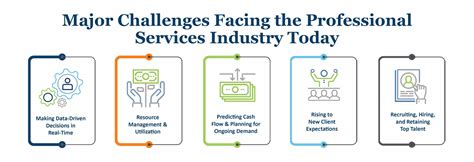
A&R professionals face a range of challenges, including:
Changing Musical Trends

The music industry is constantly evolving, with new trends and styles emerging all the time. A&R professionals must stay ahead of the curve, identifying and developing new talent that fits with the latest musical trends.
Competition from Independent Artists

The rise of independent artists has changed the music landscape, with many artists now releasing music independently. This has increased competition for A&R professionals, who must work harder to discover and sign new talent.
Pressure to Deliver Results

A&R professionals are under pressure to deliver results, with record labels and other industry stakeholders expecting them to sign and develop successful artists. This can be stressful and demanding, requiring A&R professionals to work long hours and make tough decisions.
Real-Life Examples of Successful A&R Professionals

There are many examples of successful A&R professionals, including:
John Hammond, who signed Bob Dylan and Bruce Springsteen to Columbia Records
Jimmy Iovine, who co-founded Interscope Records and signed artists such as Dr. Dre and Eminem
Simon Cowell, who founded Syco Music and signed artists such as One Direction and Little Mix
Tips for Aspiring A&R Professionals

If you're interested in pursuing a career in A&R, here are some tips to get you started:
- Develop a deep understanding of the music industry and its various genres
- Build relationships with industry professionals, such as artists, managers, and promoters
- Attend concerts and festivals, and review demos to stay ahead of the curve
- Consider internships or entry-level positions to gain experience and build your network
- Stay up-to-date with the latest musical trends and styles
Conclusion
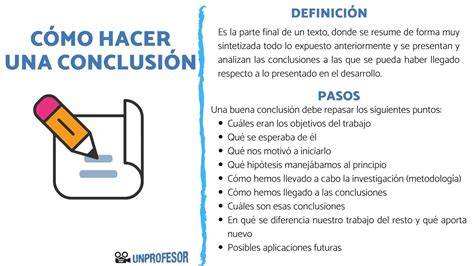
A&R jobs are a vital part of the music industry, responsible for discovering and developing new talent. To succeed in this field, you'll need a range of skills, including a deep understanding of the music industry, a keen ear for talent, and excellent communication and interpersonal skills. With the right skills and experience, you can build a successful career in A&R, working with talented artists and helping to shape the music industry.
Frequently Asked Questions
Here are some frequently asked questions about A&R jobs:
- What does an A&R professional do?
An A&R professional scouts and signs new talent, develops and maintains relationships with artists and managers, and works with artists to produce and release music.
- What skills are required for A&R jobs?
A&R jobs require a deep understanding of the music industry, a keen ear for talent, excellent communication and interpersonal skills, and the ability to work independently and as part of a team.
- How can I get started in A&R?
Consider internships or entry-level positions to gain experience and build your network, attend concerts and festivals, and review demos to stay ahead of the curve.
- What are the benefits of A&R jobs?
A&R jobs offer a range of benefits, including the opportunity to work with talented artists, a dynamic and fast-paced work environment, and the chance to attend concerts and festivals.
Call to Action
 If you're interested in pursuing a career in A&R, take the first step today. Research A&R jobs and the music industry, build relationships with industry professionals, and consider internships or entry-level positions to gain experience and build your network. With hard work and dedication, you can build a successful career in A&R and help shape the music industry.