Introduction to Artist Proofs

When it comes to the world of art, particularly printmaking and limited edition artwork, the term "artist proof" is often used but not always understood. In this article, we will delve into the meaning of artist proof, its significance in the art world, and the various aspects surrounding this concept. Whether you are an art enthusiast, a collector, or an artist yourself, understanding what artist proof means can provide valuable insights into the creation, valuation, and appreciation of artworks.
Understanding Artist Proofs
An artist proof is a print or artwork that is outside of the regular edition but is identical to the editioned prints. These proofs are typically kept by the artist for their personal collection or are used for archival purposes. The primary distinction between an artist proof and a regular edition print is that artist proofs are not part of the numbered edition but are still considered original works of art. They are often marked as "A.P." to differentiate them from the editioned prints.
History of Artist Proofs

The tradition of artist proofs dates back to the early days of printmaking. Artists would often keep a few prints from each edition for themselves, not just as a record of their work but also because these prints were of the highest quality. Over time, these artist proofs became highly valued, not just for their quality but also for their rarity and the fact that they were directly associated with the artist.
Significance in the Art Market

Artist proofs hold a significant place in the art market. They are considered more valuable than the regular edition prints for several reasons. Firstly, they are fewer in number, making them rarer. Secondly, they often have a direct connection to the artist, which can increase their desirability and value. Lastly, artist proofs can provide insight into the artist's creative process and intentions, offering a unique perspective on the artwork.
Authentication and Documentation
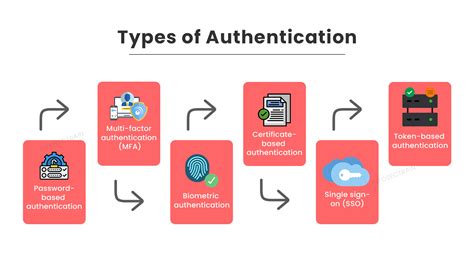
The authentication and documentation of artist proofs are crucial for establishing their legitimacy and value. Artists or their representatives must clearly mark and document these proofs to distinguish them from unauthorized reproductions. This documentation can include certificates of authenticity, which detail the artwork's title, medium, edition size, and the fact that it is an artist proof.
The Process of Creating Artist Proofs

The creation of artist proofs is an integral part of the printmaking process. After the editioned prints are completed, the artist may decide to create a few additional prints outside of the edition. These prints are made from the same plates or screens used for the editioned prints, ensuring that they are identical in quality and appearance.
Techniques and Mediums
Artist proofs can be created in various mediums, including etching, lithography, screen printing, and digital printing. The technique used depends on the artist's preference and the specific requirements of the artwork. Each medium has its unique characteristics, and the choice of medium can significantly impact the final appearance and value of the artist proof.
Etching and Intaglio
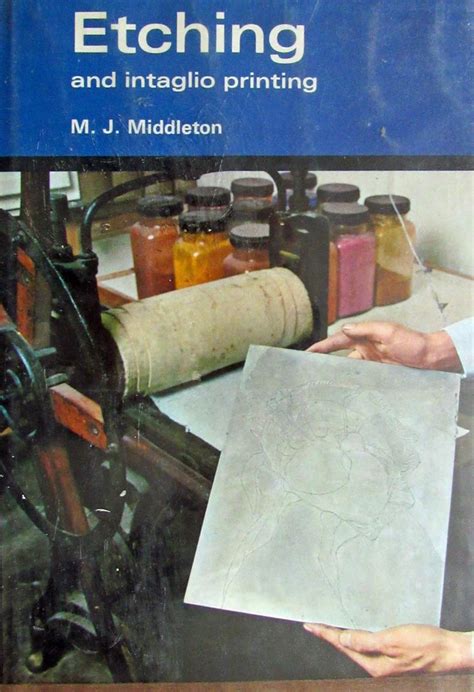
Etching and intaglio are traditional techniques that involve engraving or etching designs onto metal plates. These plates are then inked and wiped, and the design is transferred onto paper or another medium. Artist proofs created using these methods are highly prized for their intricate details and the level of craftsmanship involved.
Lithography and Screen Printing
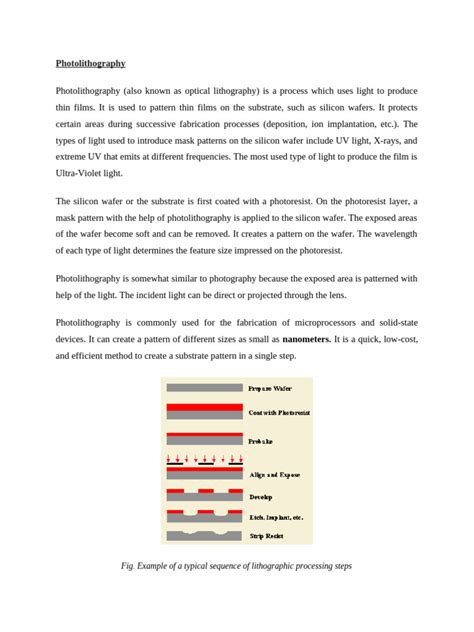
Lithography involves drawing or painting onto stone or metal plates, which are then used to print the image. Screen printing, on the other hand, involves pushing ink through a mesh screen to create the design. Both techniques allow for vibrant colors and bold designs, making them popular choices for contemporary artists.
Digital Printing
Digital printing has become increasingly popular in recent years due to its flexibility and the high quality of prints it produces. This method involves printing digital images onto various mediums using inkjet printers. Digital artist proofs can offer a level of precision and detail that is hard to achieve with traditional methods.
Valuation and Market Demand

The valuation of artist proofs is influenced by several factors, including the artist's reputation, the size of the edition, the rarity of the proof, and the demand from collectors. Generally, artist proofs are more valuable than the regular edition prints due to their exclusivity and direct connection to the artist.
Market Trends
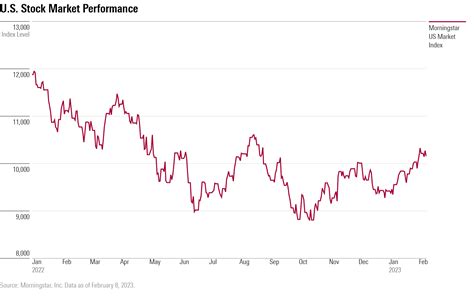
Market trends play a significant role in the valuation of artist proofs. The demand for certain artists or styles can fluctuate over time, impacting the value of their works. Additionally, the condition, provenance, and documentation of the artist proof can significantly affect its value.
Investment and Collecting

For those considering investing in or collecting artist proofs, it is essential to do thorough research. Understanding the artist's market, the condition of the proof, and its documentation is crucial. Moreover, working with reputable dealers or galleries can provide access to authentic and valuable artist proofs.
Sales and Auctions
Artist proofs often appear at auctions, where they can fetch high prices due to their rarity and desirability. These sales provide valuable insights into the market demand and trends. However, it's important for buyers to be cautious and ensure that the artworks are genuine and properly documented.
Conclusion and Final Thoughts

In conclusion, artist proofs are a significant aspect of the art world, offering a unique glimpse into the creative process of artists. Their value lies not only in their rarity and quality but also in their direct connection to the artist. For collectors, investors, and enthusiasts, understanding what artist proof means can enhance their appreciation and engagement with artworks.
Final Considerations

When engaging with artist proofs, it's essential to consider the authenticity, condition, and documentation of the artwork. The art market is complex, and navigating it requires knowledge and caution. By understanding the significance and value of artist proofs, one can deepen their connection to the art world and make informed decisions as a collector or enthusiast.
Tips for Buyers

For those looking to purchase artist proofs, here are some tips:
- Research the artist and their market to understand the value and demand for their works.
- Work with reputable galleries or dealers to ensure authenticity and quality.
- Inspect the condition of the artwork carefully, considering factors like age, storage, and handling.
- Ensure that the artwork is properly documented, including certificates of authenticity and provenance.
FAQs

- Q: What is an artist proof?
A: An artist proof is a print or artwork that is outside of the regular edition but is identical to the editioned prints, kept by the artist for their personal collection or used for archival purposes.
- Q: Why are artist proofs valuable?
A: Artist proofs are valuable due to their rarity, direct connection to the artist, and the fact that they are often of the highest quality.
- Q: How can I verify the authenticity of an artist proof?
A: Authentication can be verified through documentation, such as certificates of authenticity, and by working with reputable dealers or galleries.
Call to Action

Whether you are an art enthusiast, a seasoned collector, or an artist, understanding the concept of artist proofs can enrich your engagement with the art world. By exploring the significance, creation, and valuation of artist proofs, you can deepen your appreciation for the creative process and the artworks themselves. If you're considering collecting or investing in artist proofs, remember to approach the market with knowledge and caution, ensuring that your passion for art is matched by informed decision-making.