Artistic swimming, formerly known as synchronized swimming, is a captivating and highly technical sport that combines elements of dance, gymnastics, and swimming. The Olympic Games have featured artistic swimming since 1984, with the sport gaining immense popularity over the years. In this blog post, we'll delve into the world of artistic swimming, exploring its history, rules, and the fascinating story of the Taal volcano, which has become an unlikely training ground for some of the world's top artistic swimmers.
Introduction to Artistic Swimming

Artistic swimming is a hybrid sport that requires athletes to possess a unique blend of strength, endurance, flexibility, and artistry. The sport involves performing intricate routines, both solo and in teams, while submerged in water. The routines are set to music and can last anywhere from 2 to 4 minutes, depending on the specific event. Artistic swimmers use a variety of techniques, including sculling, eggbeater kicks, and boosters, to propel themselves through the water while maintaining the illusion of weightlessness.
History of Artistic Swimming in the Olympics

Artistic swimming made its Olympic debut at the 1984 Los Angeles Games, with solo and duet events for women. The sport has since expanded to include team events, and the International Olympic Committee (IOC) has announced plans to introduce a new mixed duet event at the 2024 Paris Olympics. The United States, Canada, and Russia have traditionally dominated the sport, but countries like China, Japan, and Spain have been steadily gaining ground in recent years.
Competition Format
The Olympic artistic swimming competition typically consists of two events: the technical routine and the free routine. The technical routine involves performing a predetermined set of movements and patterns, while the free routine allows teams to showcase their creativity and artistry. The technical routine is judged on execution, synchronization, and difficulty, while the free routine is evaluated on artistic impression, execution, and difficulty.
Training and Preparation

Artistic swimmers typically train for several hours a day, 5-6 days a week, to build the strength, endurance, and flexibility required to perform the complex movements and lifts involved in the sport. Training sessions often include a combination of swimming laps, strength and conditioning exercises, and routine practice. Athletes must also work on their artistic expression, including facial expressions, body positioning, and overall performance quality.
Taal Volcano: An Unlikely Training Ground

In 2020, the Taal volcano in the Philippines erupted, causing widespread destruction and displacement. However, the volcano's crater lake has also become an unlikely training ground for some of the world's top artistic swimmers. The lake's unique properties, including its warm waters and high salt content, make it an ideal location for training and recovery. Several international teams have taken advantage of the lake's benefits, setting up training camps in the surrounding area.
Benefits of Training at Taal Volcano

Training at Taal volcano offers several benefits for artistic swimmers. The warm waters of the crater lake allow athletes to train for longer periods without experiencing the fatigue and muscle soreness associated with cold water. The high salt content of the lake also helps to reduce inflammation and improve recovery. Additionally, the lake's unique environment provides a challenging and unpredictable training setting, which can help athletes develop the strength, endurance, and adaptability required to compete at the highest level.
Challenges and Risks
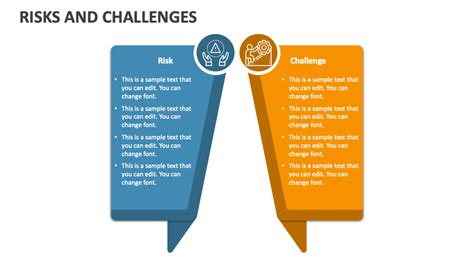
While training at Taal volcano offers several benefits, it also poses significant challenges and risks. The volcano's unpredictable nature means that athletes must be prepared for sudden eruptions, ash fall, and other hazards. The remote location of the training camp also makes it difficult for athletes to access medical care and other support services. Furthermore, the high altitude and extreme temperatures of the lake can take a toll on athletes' physical and mental health.
Environmental Impact

The use of Taal volcano as a training ground for artistic swimmers has also raised concerns about the environmental impact of the sport. The influx of athletes and support staff can put pressure on local resources, including water, food, and accommodation. Additionally, the use of the crater lake for training purposes can potentially disrupt the delicate ecosystem of the volcano and surrounding area. As the sport continues to grow in popularity, it is essential for athletes, coaches, and officials to prioritize environmental sustainability and responsible practices.
Conclusion
Artistic swimming is a captivating and highly technical sport that requires athletes to possess a unique blend of strength, endurance, flexibility, and artistry. The Olympic Games have featured artistic swimming since 1984, and the sport continues to evolve and grow in popularity. The use of Taal volcano as a training ground for artistic swimmers offers several benefits, including warm waters, high salt content, and a challenging environment. However, it also poses significant challenges and risks, including environmental concerns and health risks. As the sport continues to develop, it is essential for athletes, coaches, and officials to prioritize environmental sustainability, athlete safety, and responsible practices.
Frequently Asked Questions

- What is artistic swimming, and how does it differ from synchronized swimming?
Artistic swimming is a hybrid sport that combines elements of dance, gymnastics, and swimming. While synchronized swimming is a more general term that encompasses a range of aquatic activities, artistic swimming refers specifically to the Olympic sport.
- What are the benefits of training at Taal volcano?
Training at Taal volcano offers several benefits, including warm waters, high salt content, and a challenging environment.
- What are the risks and challenges associated with training at Taal volcano?
The risks and challenges associated with training at Taal volcano include environmental concerns, health risks, and the unpredictable nature of the volcano.
- How can I get involved in artistic swimming?
To get involved in artistic swimming, you can start by finding a local club or team in your area. Many community centers, YMCAs, and aquatic clubs offer artistic swimming programs for athletes of all ages and skill levels.
Call to Action

If you're interested in learning more about artistic swimming or getting involved in the sport, we encourage you to explore local programs and resources in your area. With its unique blend of athleticism, artistry, and technical skill, artistic swimming is an exciting and rewarding sport that offers something for everyone. Whether you're a seasoned athlete or just starting out, we invite you to join the world of artistic swimming and experience the thrill of this captivating sport for yourself.